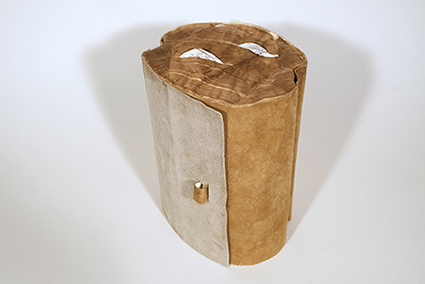
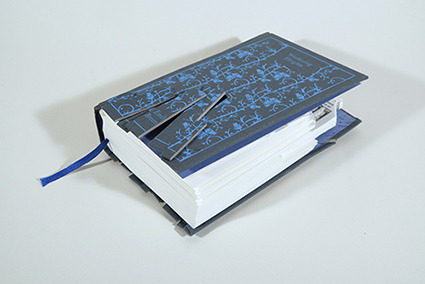
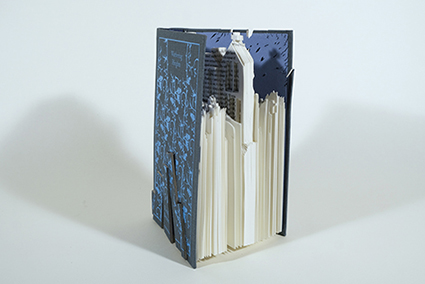
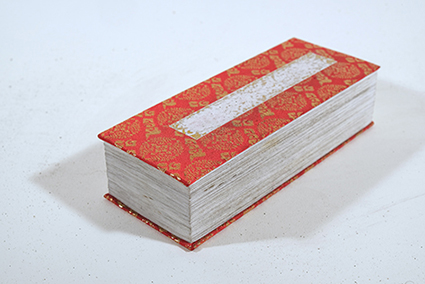
Japan-UK Joint International Book Art Exchange Project
"Dialogue and Expansion: The Space Created by Book Art"
(Expanding Conversations: Spaces of Book Arts)
「Folding Space(折り込まれていく空間): Japanese and UK Artists’Books」
Date: January 30th - March 28th, 2026
Venue:England/The Winchester Gallery, Winchester School of Art, University of Southampton/Park Ave, Winchester SO23 8DL U.K.)
https://www.thewinchestergallery.soton.ac.uk
Exhibiting artists from Japan (18 people):
Hiroko Akasaka, Hisako Inui, Miyuki Kido, Masako Kuroda, Hidekazu Konishi, Masako Kobayashi, Sei Sato, Shiho Dono,SYUTA (Shuta Mitomo), Runa Nakagawa, Haruyo Nakanishi, Takeshi Hirose, Hiroko Fukumoto, Kyoko Matsunaga, Ai Mikami, Yo Yamazaki, Koichi Yamamoto, Tamiko Washizu
Overview:
This is an exhibition of book art and artist's books (artworks in book format) by Japanese and British artists. The exhibition features 22 contemporary book art pieces by Japanese book artists, as well as one piece selected from the collection of works by British artists held by Winchester School of Art (University of Southampton Faculty of Arts), chosen to complement the expression of each Japanese artist. Winchester School of Art holds one of the largest collections of book art works among British higher education institutions, with approximately 3,000 pieces.
Purpose of the Exhibition:
This exhibition is being held as part of a collaborative Anglo-Japanese book art project undertaken by the Urawa Art Museum in Saitama City, Saitama Prefecture, Japan, and the University of Southampton and the University of the West of England in the United Kingdom. Book art, as a genre of art, has steadily developed in both countries since the 1960s. However, in the UK, there have been few opportunities to exhibit contemporary book art works created in Japan. This book art project aims to bring together book art works created in both countries and promote exchange between them. Overview:
This is an exhibition of book art and artist's books (artworks in book form) by Japanese and British artists. In addition to 22 contemporary book art works by Japanese book artists, one work by a British artist will be selected from the collection of the Winchester School of Art (University of Southampton Faculty of Arts) to complement the expression of each Japanese artist, and these works will be exhibited together. The Winchester School of Art holds one of the largest collections of book art works among higher education institutions in the UK, with approximately 3,000 pieces.
Repatriation Exhibition "Traveling Book Art":
Dates: July 9th - July 25th, 2026 (Closed on Sundays)
Venue: Galerie 412 (Omotesando Hills Dojunkai 302, 4-12-10 Jingumae, Shibuya-ku, Tokyo)
https://galerie412.com
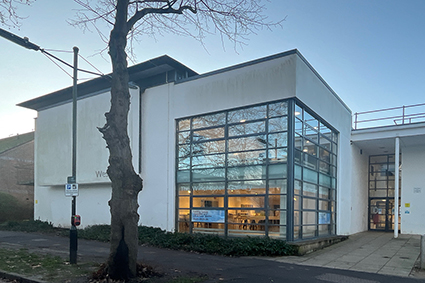
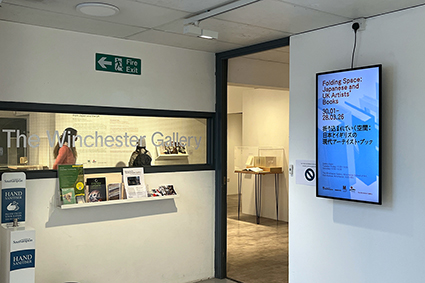
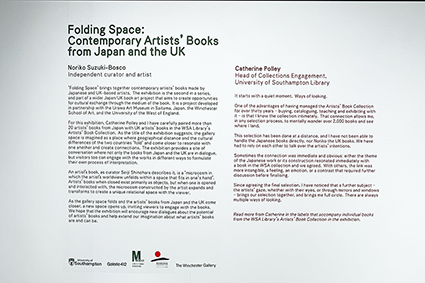
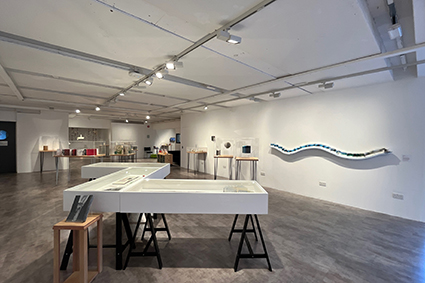
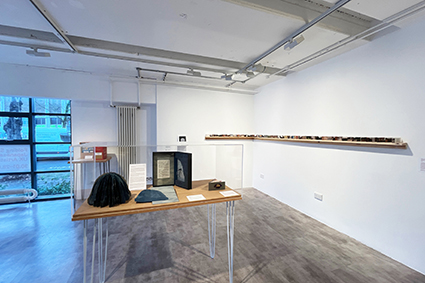
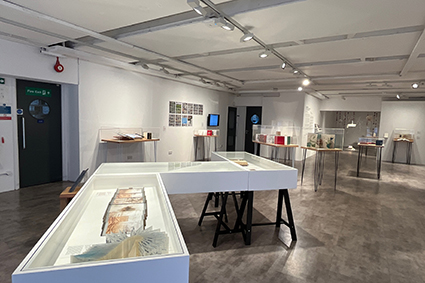
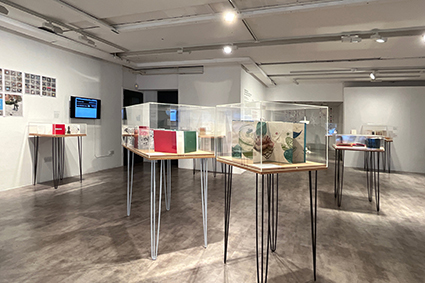
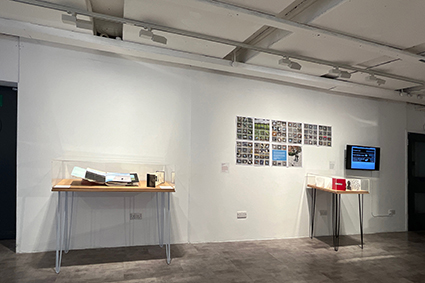
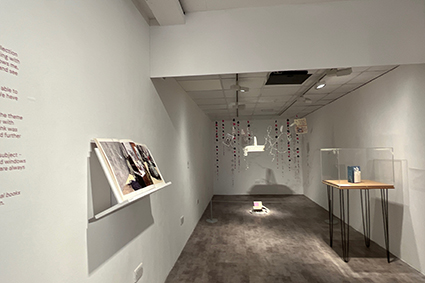
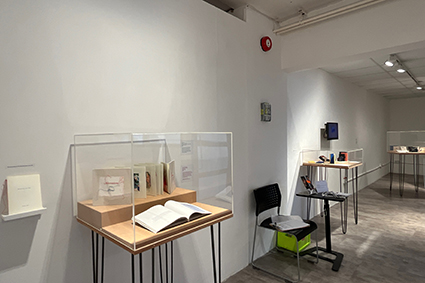
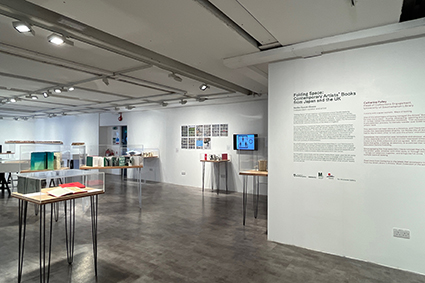
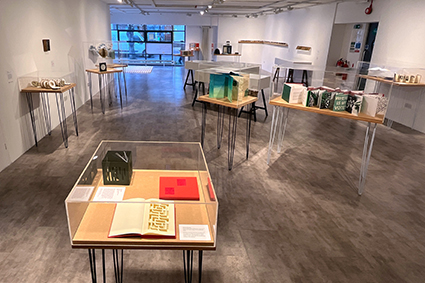
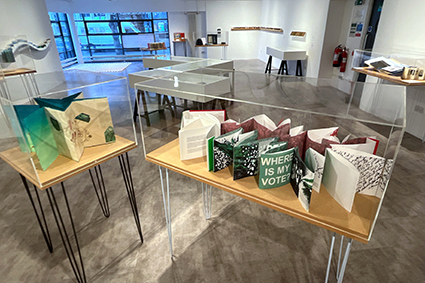
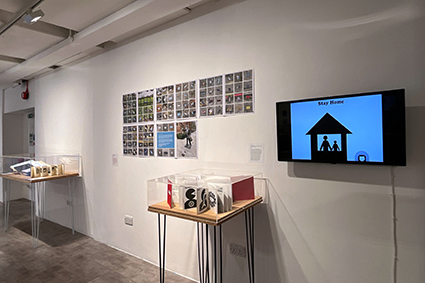
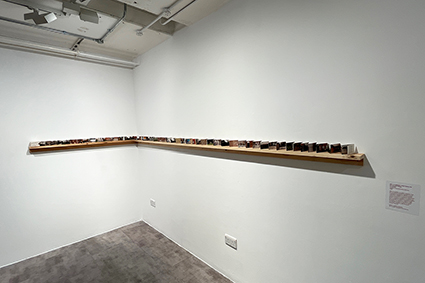
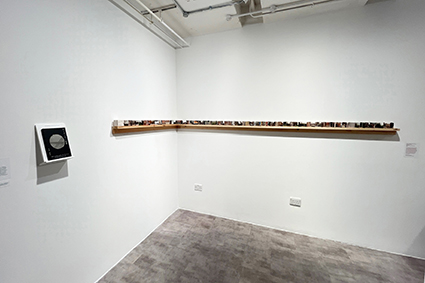
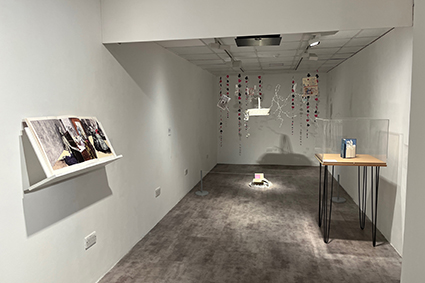
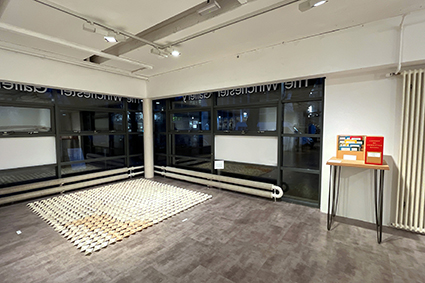
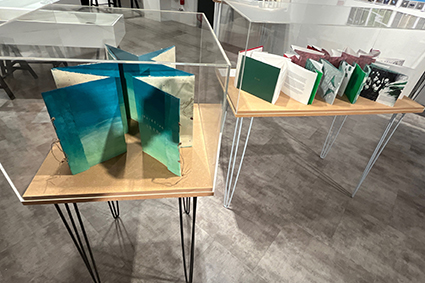
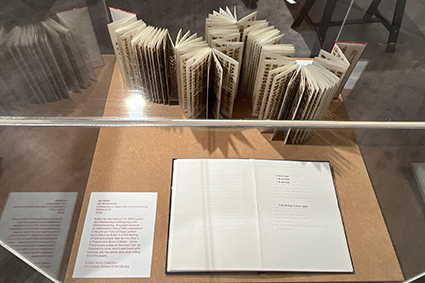
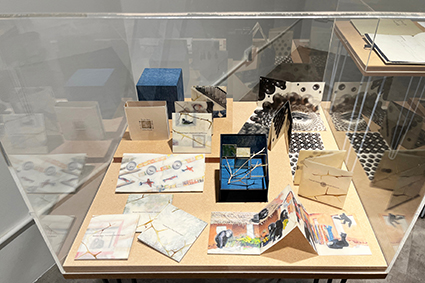
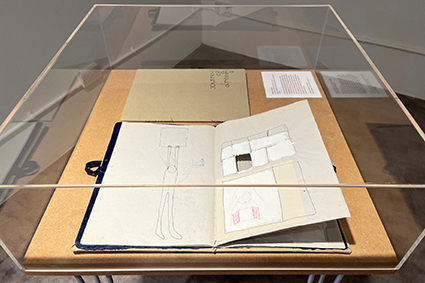
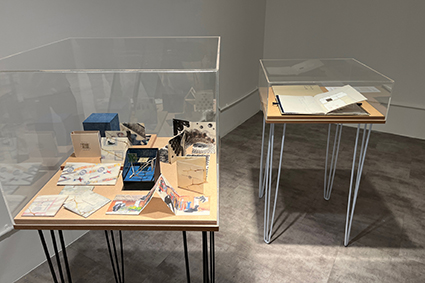
On January 30th, 2026, the exhibition "Folding Space: Japanese and UK Artists' Books", planned as part of a joint UK-Japan international book arts exchange project, opened at the Winchester Gallery, Winchester School of Art, University of Southampton, England. Images of the exhibition venue can be seen below.
 |
 |
 |
 |
 |
 |
 |
 |
 |
 |
 |
 |
 |
 |
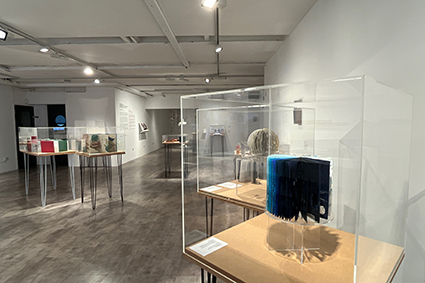 |
In this exhibition, each work by 18 artists selected by the Japanese curators is paired with a work selected by Winchester School of Art from the school's book and art collection. elow are the works of the 18 groups and the accompanying artworks displayed in the venue., along with comments from the British curators who selected the paired works (Comment from Japanese artist: Noriko Suzuki-Bosco(Independent curator and artist)/ Comment from British artist: Catherine Polley(Head of Collections Engagement, University of Southampton Library). For the Japanese works, please see the artist profiles, comments, detailed images, and more. Catherine Polley Head of Collections Engagement, University of Southampton Library
 |
 |
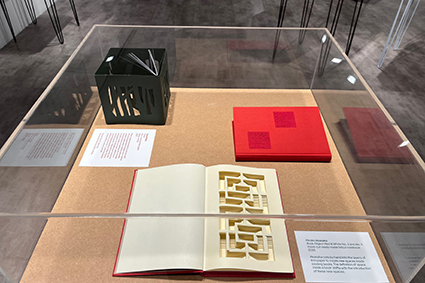 |
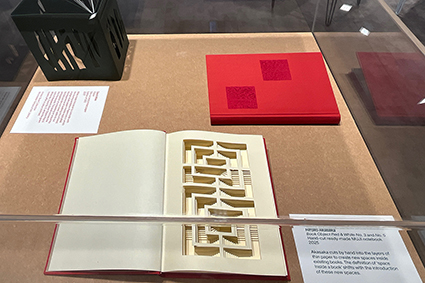
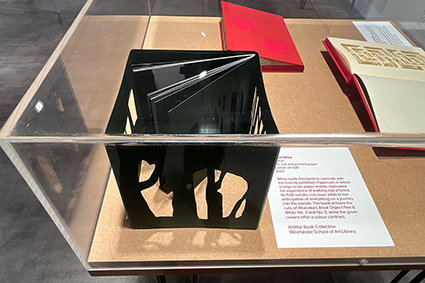
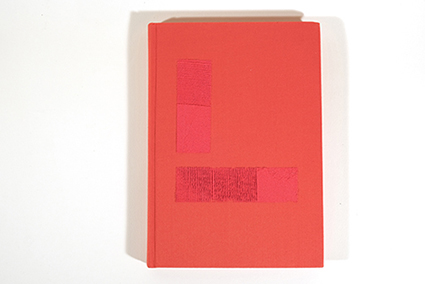
| Hiroko Akasaka:《Book Object Red & White No.3》/ 《Book Object Red & White No.5》 *paper (ready-made book),cutting/2025 |
David Miles:《Forest》 *Die-cut and printed paper Edition of 500/2007 |
Hiroko Akasaka+David Miles |
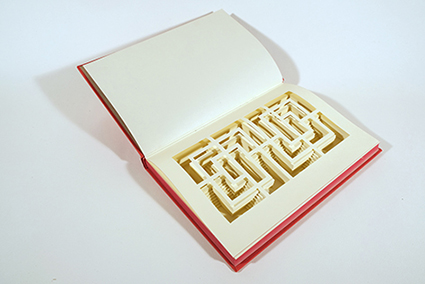
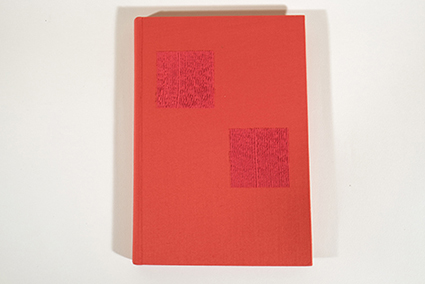
| Hiroko Akasaka:《Book Object Red & White No.3》 Akasaka cuts by hand into the layers of thin paper to create new spaces inside existing books. The definition of 'space inside a book' shifts with the introduction of these new spaces. |
||
| David Miles:《Forest》 Miles made this book to coincide with the touring exhibition Papercuts in which a large-scale paper mobile replicated the experience of walking into a forest. Its fold-out die-cut cover adds to our anticipation of embarking on a journey into the woods. The book echoes the cuts of Akasaka's Book Object Red & White No. 3 and No. 5, while the green covers offer a colour contrast. |
||
 |
 |
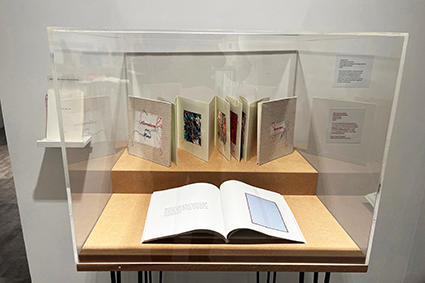 |
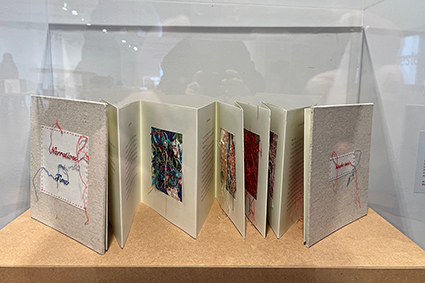
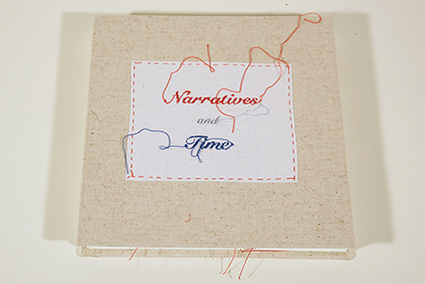
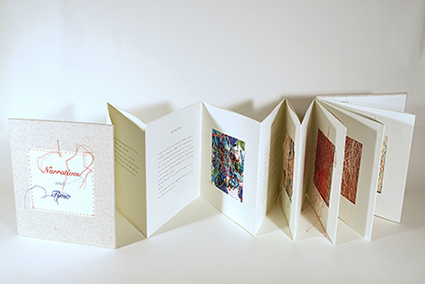
| Hisako Inui:《Narrative and Time》 *kent paper, cardboard, old cloth, embroidery thread, silk thread, cover fabric, bond ink, embroidery/2025 |
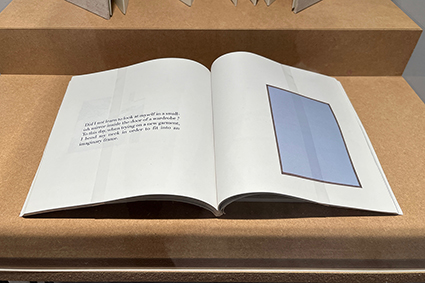
Mari-Aymone Djerbi: 《Wardrobing Remnants 》 *Wardrobing Remnants Printed book/Edition of 100/2006 |
Hisako Inui+Mari-Aymone Djerbi |
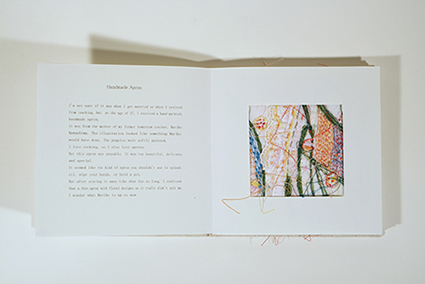
| Hisako Inui:《Narative and Time》 Each piece of fabric holds personal memories and stories that become enriched by an additional layer of embroidery. The slow process of stitching, which Inui sees as 'drawing', brings the past and present together to form new stories. |
||
| Mari-Aymone Djerbi 《Wardrobing Remnants 》 This book explores the stories behind the things we choose to hoard and collect. It was the use of old and discarded fabrics restitched to allow memories to come into focus, and new ones to be made, in lnui's Narratives and Time, that made me choose this piece. |
||
 |
 |
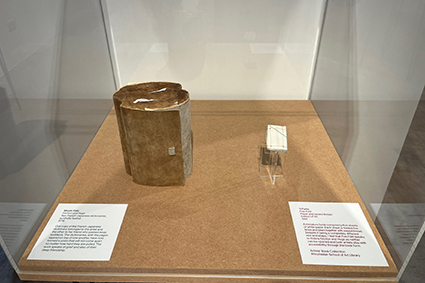 |
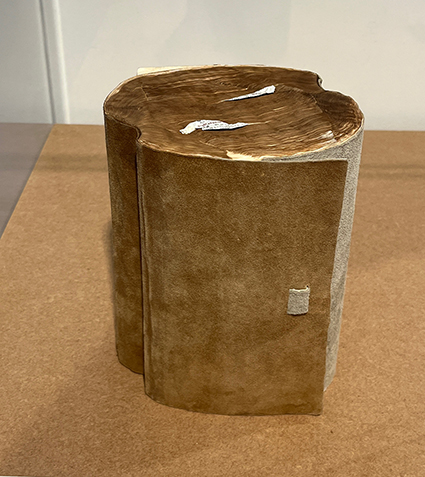
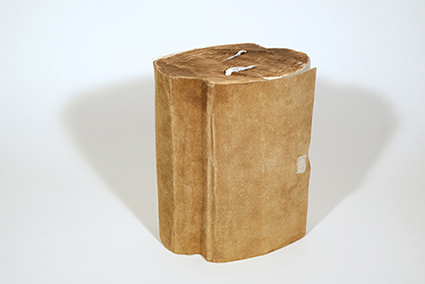
| Miyuki Kido:《Friction and hugs》 *two French-Japanese dictionaries, synthetic leather/2016 |
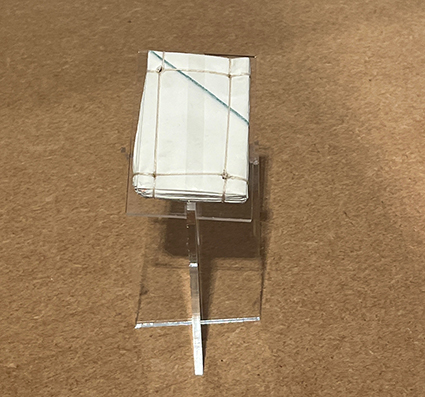
Ti Parks:《Five Fold》 *Paper and waxed thread /Edition of 30 /1991 |
Miyuki Kido+Ti Parks: |
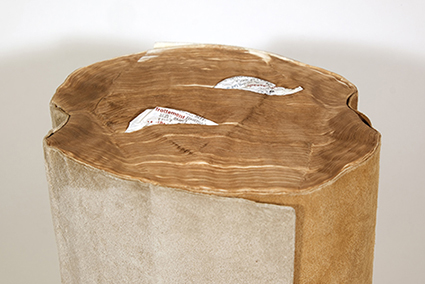
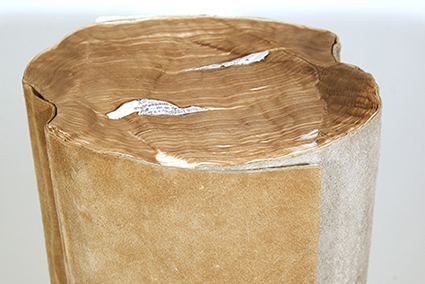
| Miyuki Kido:《Friction and hugs》 One copy of the French-Japanese dictionary belonged to the artist and the other to her friend who passed away suddenly. The dictionaries, with the pages layered on top of one another, have now formed a union that will not come apart no matter how hard they are pulled. The work speaks of grief and also of their deep friendship. |
||
| Ti Parks:《Five Fold》 A miniature book comprising five sheets of white paper. Each sheet is folded five times and sewn together with waxed thread. Despite it being a completely different size and shape, I feel that Five Fold speaks to Kido's Friction and Hugs as neither can be opened and both artists play with accessibility through the book form. |
||
 |
 |
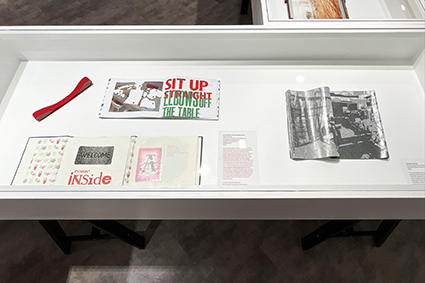 |
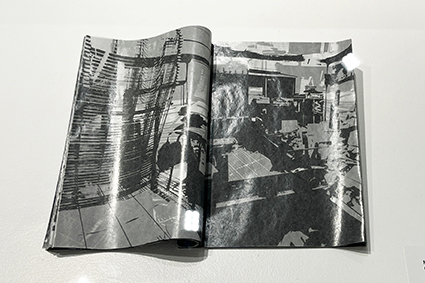
| Masaco Kuroda:《One Hundred Views of Mano Screen Printing 》 *glassine, thread/silkscreen print/2025 |
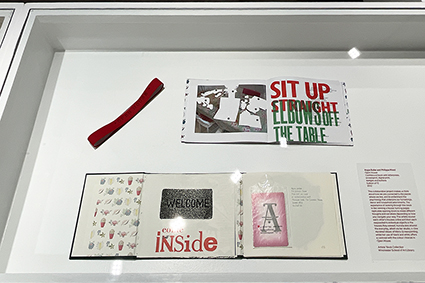
Angie Butler and Phllippa Wood:《Open House 》 *Clothbound book with letterpress, screenprint, digital print, badges and buttons /Edition of 12 /2012 |
Masako Kuroda+Angie Butler and Phllippa Wood |
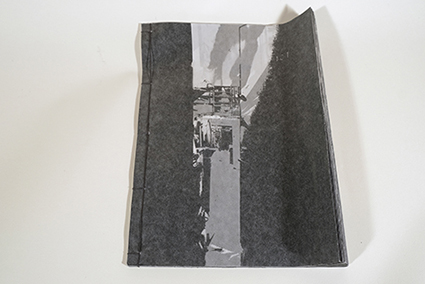
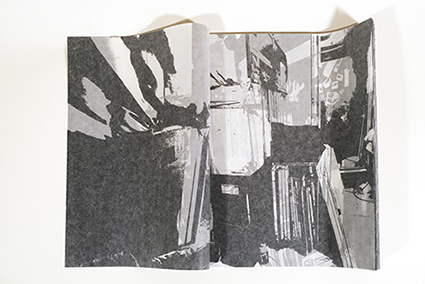
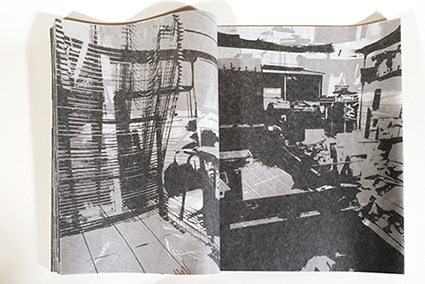
| Masaco Kuroda:《One Hundred Views of Mano Screen Printing 》 The immediate surroundings of Kuroda's printing studio have been screenprinted onto thin glassine paper. The pages have been folded inwards to soften the strong contrast of the original images, giving a dreamlike quality to the familiar surroundings where the artist spends much of her time. |
||
| Angie Butler and Phllippa Wood:《Open House 》 This collaborative project makes us think about how we are connected to the places where we live, and to understand the psychology that underpins our furnishings, decor and household adornments. The experience of looking through this book is like viewing a house: turning pages replicates opening doors to reveal different thoughts and narratives depending on how you navigate your way. The artists toured each other's houses online and then each responded to individual objects in the houses they viewed. Kuroda also shared the everyday, albeit via her studio, in One Hundred Views of Mano Screenprinting, while her use of black and white offers a contrast with the colour choices in Open House. |
||
 |
 |
 |
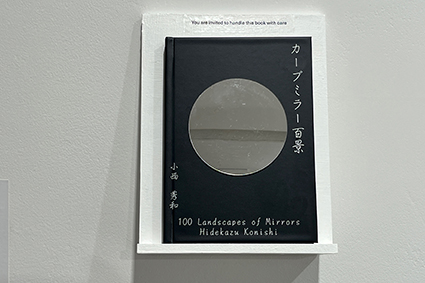
| Hidekazu Konishi:《Wuthering Heights》 *paper, acrylic mirror/on-demand printing/2025 |
TEA: Jon Biddulph, Peter Hatton, Val Murray, Lynn Pilling : 《BytheWay(ところで)》 *Printed concertina strip with box /1998 |
Hidekazu Konishi+TEA: Jon Biddulph, Peter Hatton, Val Murray, Lynn Pilling |
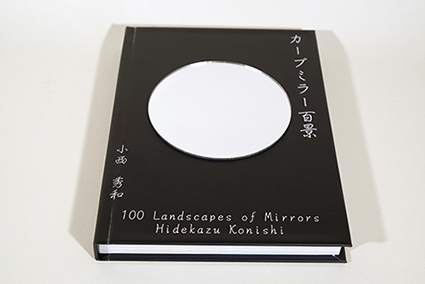
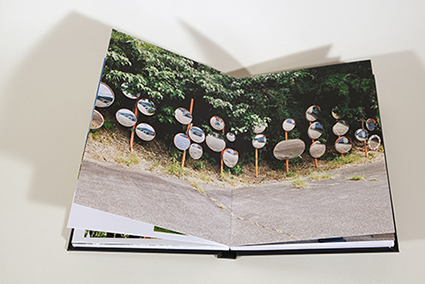
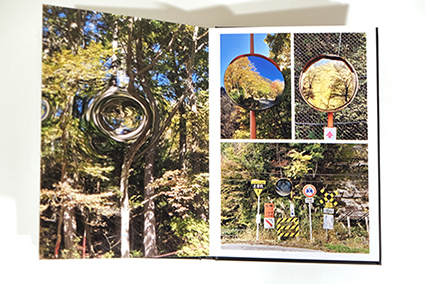
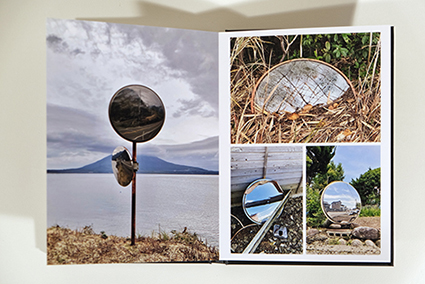
| Hidekazu Konishi:《Wuthering Heights》 Konishi describes himself as a 'collector of everyday things. For this work, he has brought together one hundred views of convex mirrors as an homage to Hokusai's 'Thirty-six Views of Mount Fuji. Convex mirrors are ubiquitous in Japan. Konishi collected the many views of the convex mirrors during his daily walks in and around Kyoto and beyond. |
||
| TEA: Jon Biddulph, Peter Hatton, Val Murray, Lynn Pilling :《BytheWay》 This concertina, by artist collective TEA, shows a snapshot of England coast to coast generated by the 111 occasions when road conditions brought the artists' car to a halt on a journey from Liverpool to Hull. It is personalised by commentaries from people who live or work at these locations. The link to the ordinary and familiar across the country led me to pair it with Konishi's 100 Views of Convex Mirrors. |
||
 |
 |
 |
| Masako Kobayashi:《Wuthering Heights》 *paper (ready-made paperbacks)/cutting/2025 |
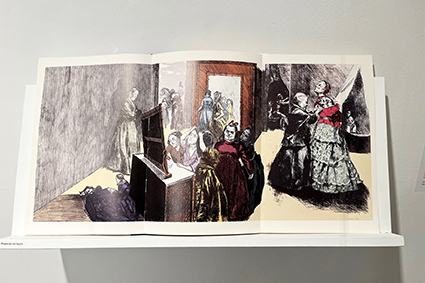
Paula Rego :《Jane Eyre》 *Printed book /Edition of 250 /2003 |
Masako Kobayashi+Paula Rego |
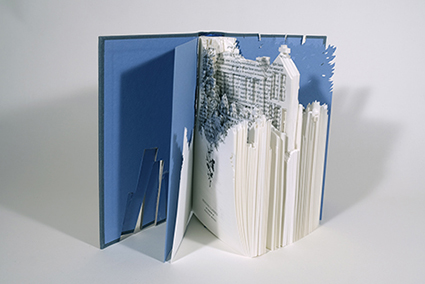
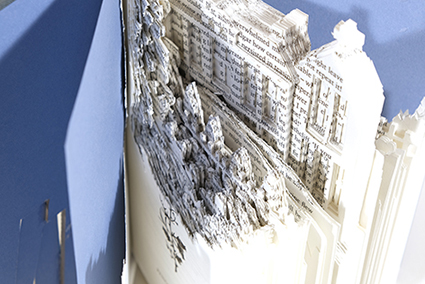
| Masako Kobayashi:《Wuthering Heights》 Memory is the central theme of Kobayashi's works, which she explores through altering and ranipulating favourite books from her chilchood. The tactile presence of the physicel books plays an important part in the process of making, where stories becorre reconstructed and retold to make space for the viewers to create their own stories. |
||
| Paula Rego :《Jane Eyre》 I chose to pair Rego's Hlustrated Jane Eyre, accompanied by extracts from Charlotte Bronte's classic te)(t, with Kobayashi's altered copy of Emily Bronte's Wuthering Heights. Both are nineteenth-century novels by women, reimagined by two women artists in very different ways. |
||
 |
 |
 |
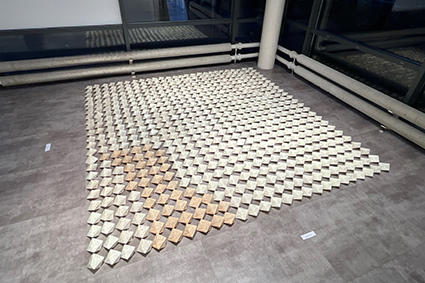
| Sei Sato:《A wind of light blowing through the silence》 *two French-Japanese dictionaries, synthetic leather/2023 |
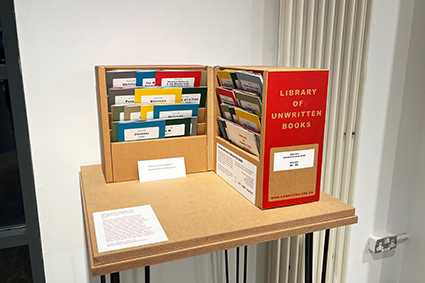
Sam Brown and Caroline Jupp :《The Library of Unwritten Books》 *Box with 50 paper-bound books /2004 |
Sei Sato+Sam Brown and Caroline Jupp |
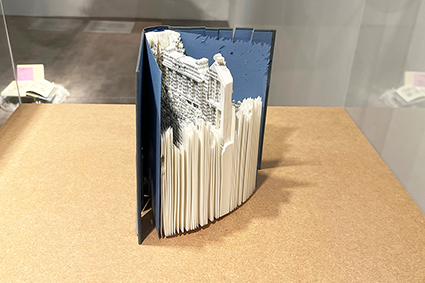
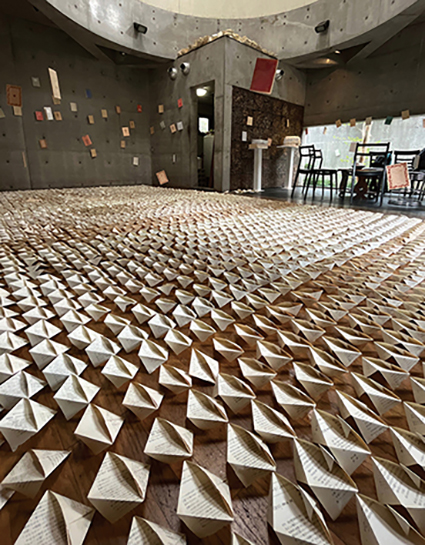
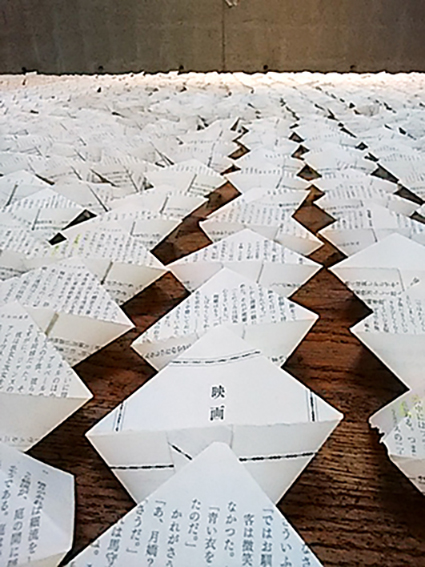
| Sei Sato:《A wind of light blowing through the silence》 Sato took apart 120 Japanese paperback books and meticulously folded each of the pages for this artwork. The size of the installation can vary according to the size of the space in which the work is shown. For the installation at the Winchester Gallery, 900 pages were chosen. The books, which were taken apart, can be reassembled by unfolding the pages and bringing them together again. The work expresses how there is not a single linear trajectory across past, present and future; they can intertwine, overlap and go backwards and forwards. |
||
| Sam Brown and Caroline Jupp :《The Library of Unwritten Books》 This box contains books of fictional tales, unrealised ideas, and personal histories. The books are made from recorded interviews collected through random encounters in parks and public places, including libraries and community centres. People were invited to talk about the book they always wanted to write, and their ideas have been made into mini books. Sato'sA Wind of Light Passing Through the Silence installation deconstructs used Japanese paperbacks. It was this intangible link to books read in the past but taken apart, and books never written but the idea for them written into The Library of Unwritten Books, that made me pair them together. |
||
 |
 |
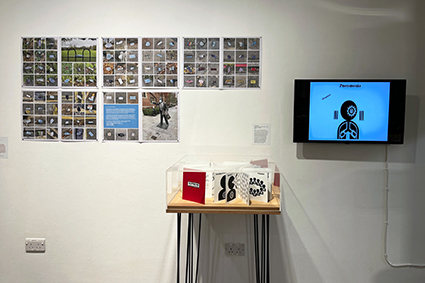 |
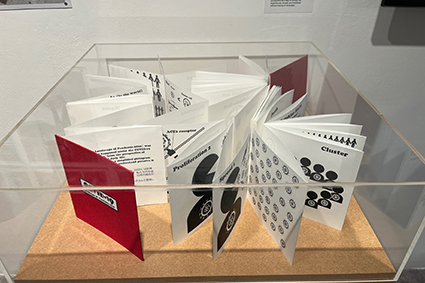
| SYUTA(Syuta Mitomo):《OVID-19 Landscape of Pandemic-2020》 *paper/laser print/2020 |
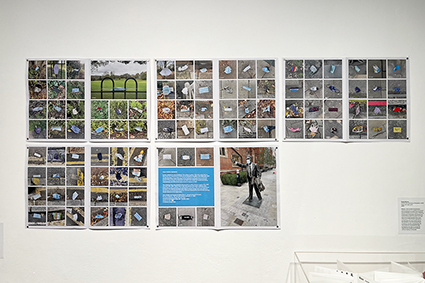
Mette-Sofie D Ambeck :《Pollution Ephemera 》 *Printed newsprint /Edition of 100 /2023 |
SYUTA(Syuta Mitomo)+Mette-Sofie D Ambeck |
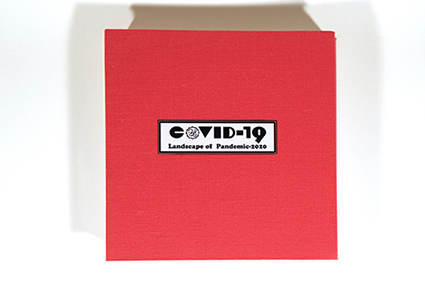
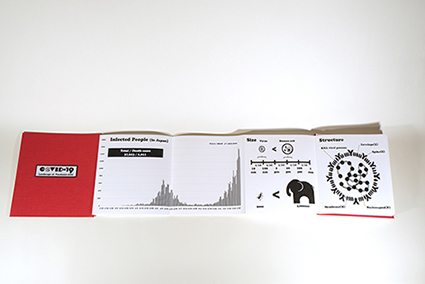
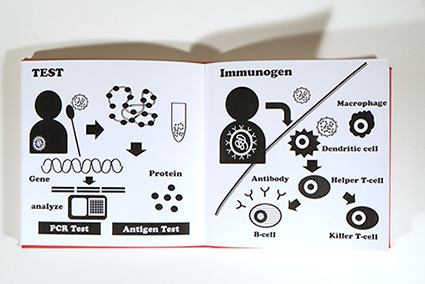
| SYUTA(Syuta Mitomo):《OVID-19 Landscape of Pandemic-2020》 Mitomo, who studied biochemistry and life sciences, is a qualified pharmacist.His knowledge of science and medicine directly influences his art making. COVID-19Landscape of Pandemic documents the various events that occurred in our lives due to the global spread of the novel coronavirus. The artwork attempts to encapsulate the many events during the pandemic from the perspectives of science, society, and everyday life.The events are expressed through pictograms as a way to convey the experiences visually and intuitively without relying on language. |
||
| Mette-Sofie D Ambeck :《Pollution Ephemera) 》 Ambeck's zine, printed on newsprint, contains photographs of discarded medical face masks taken on her walks in England during the Covid-19 pandemic. She took the photographs, with all masks exactly as seen, on her iPhone 11 without filters. This links with Mitomo's COVID-19 Landscape of Pandemic-2020, but his depictions of the everyday during this time are conveyed to us through pictograms rather than photography. |
||
 |
 |
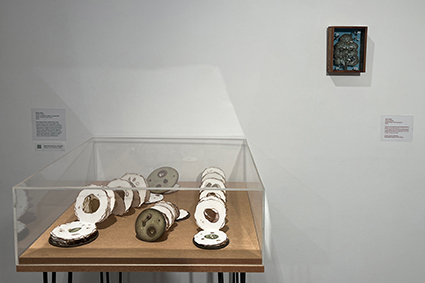 |
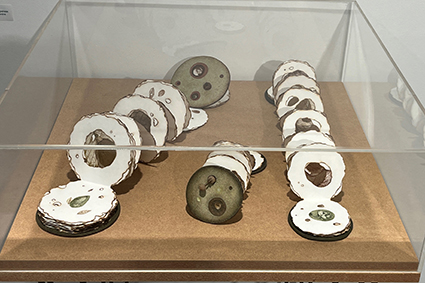
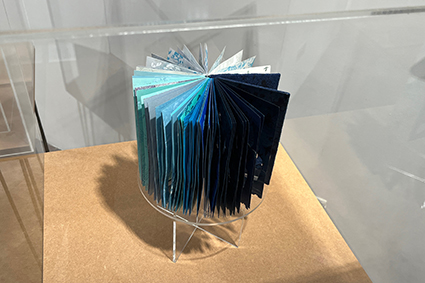
| Shiho Dono:《」Raindrops of Leaf Rain (Fallen Leaves)》 * Paper, Japanese paper, cardboard, leaves,copperplate print, acorns, acrylic paint, acrylic medium, glue, accordion binding, etching, aquatint, gampi prin/2025 |
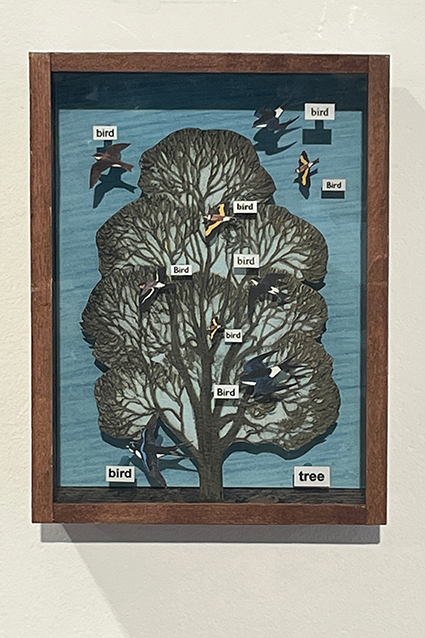
John Dilnot :《Tree and Birds》 *Assemblage with screenprint /2004 |
Shiho Dono+John Dilnot |
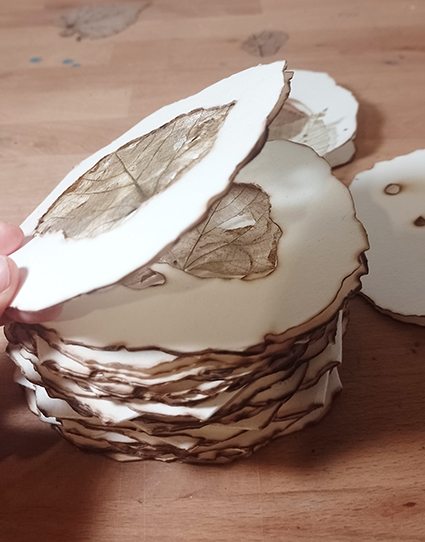
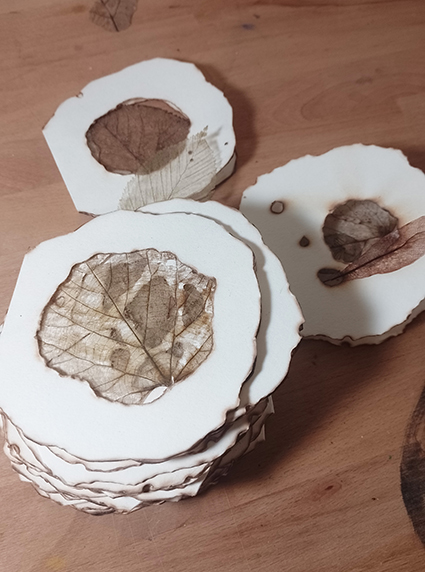
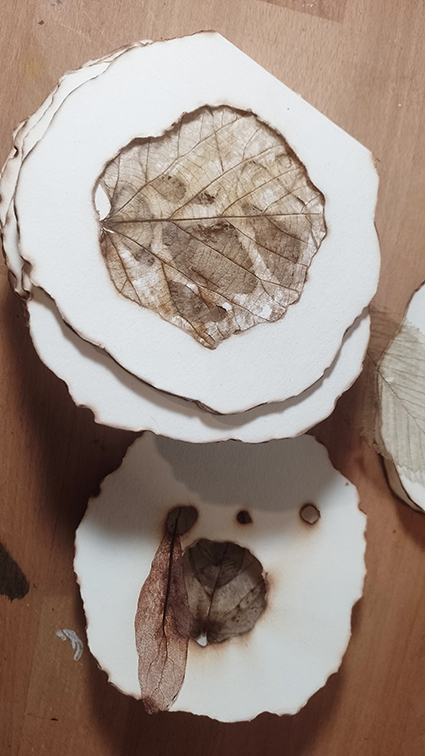
| Shiho Dono:《」Raindrops of Leaf Rain (Fallen Leaves)》 ntersection between nature and animals, and how they become intertwined to create a shared environment.Falling Leaves explores similar ideas by using real leaves, retaining only their veins, sandwiched between irregularly shaped paper with holes that suggest a hollow space where insects and birds live. |
||
| John Dilnot :《Tree and Birds》 Dilnot's intricate box work shows prints of birds cut out and placed on a tree. For me, it resonated with the interconnectedness of the natural world as explored in the work Falling Leaves by Dono. |
||
 |
 |
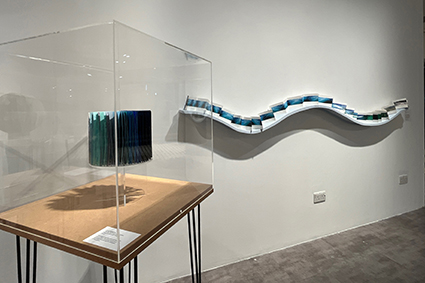 |
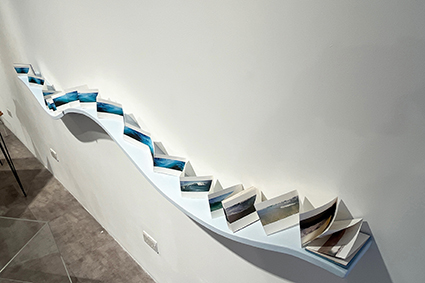
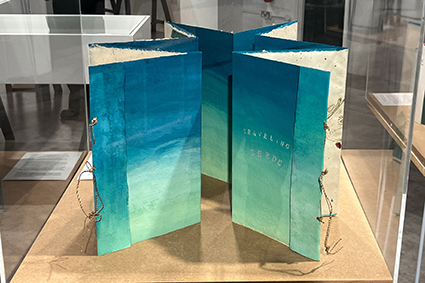
| Luna Nakagawa:《The day when deep fish comes》 *paper, yellow ball, thread, bookmark string/silkscreen print, cutting/2023 |
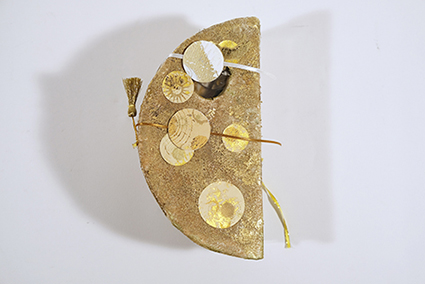
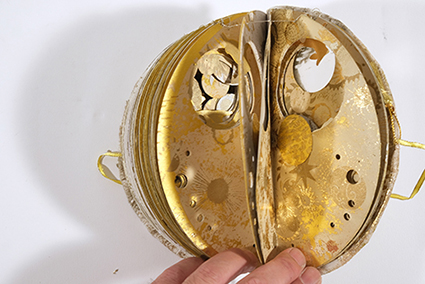
David Jackson :《Wave》 *Concertina book bound in felt /Edition of five /1999 |
Luna Nakagawa+David Jackson |
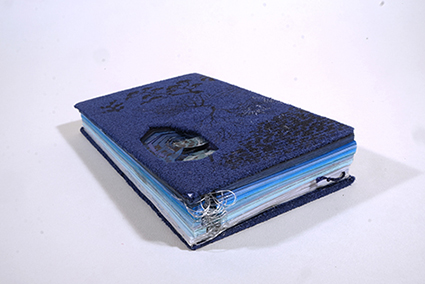
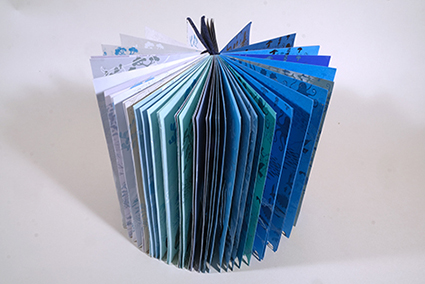
| Luna Nakagawa:《The day when deep fish comes》 Opening all the way out until the two covers meet, the book becomes a sculpture that evokes the vastness of the ocean. |
||
| David Jackson :《Wave》 This concertina book bound in felt depicts a wave, through photographs, from the moment it breaks out at sea to the moment it crashes on to the sand . It was the depiction of the sea and the colour blue that made me choose this book to accompany Nakagawa's The Day When Deep Fish Comes. |
||
 |
 |
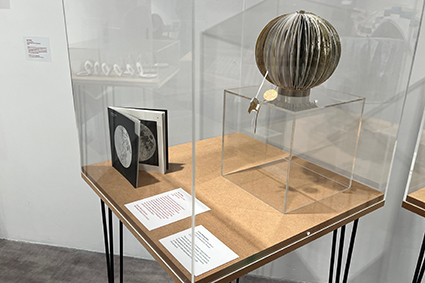 |
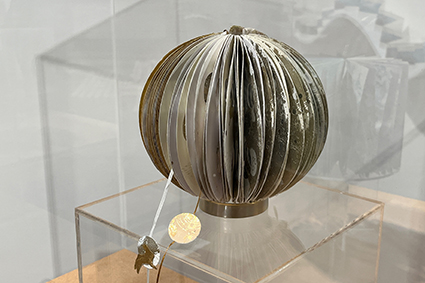
| Luna Nakagawa:《Looking at the same moon》 * paper, yellow ball, silver thread, foil, flocking, bookmark string/silkscreen print, cutting/2025 |
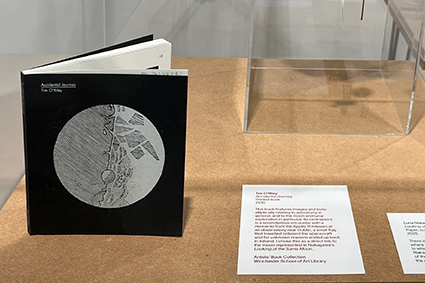
Tim O'Rifey :《Accidental Journey *Printed book /2010 |
Luna Nakagawa+Tim O'Rifey |
| una Nakagawa:《Looking at the same moon》 There is only one moon regardless of where we see it. However, the situations in which we see the moon can vary greatly. Nakagawa's musings on the universality of the moon are expressed through the artwork. |
||
| Tim O'Rifey :《Accidental Journey》 This book features images and texts elliptically relating to astronomy in general, and to the moon and lunar exploration in particular. Its centrepiece is a serendipitous encounter with a memento from the Apollo 11 mission at an observatory near Dublin, a small flag that travelled onboard the spacecraft and for unknown reasons ended up back in Ireland. I chose this as a direct link to the moon represented in Nakagawa's Looking at the Same Moon. |
||
 |
 |
 |
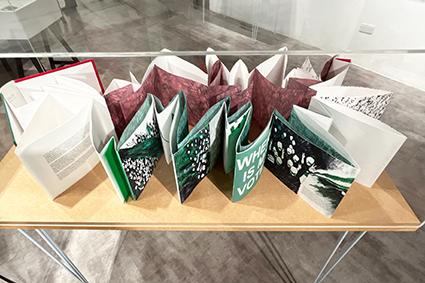
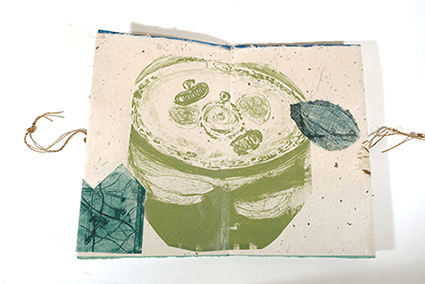
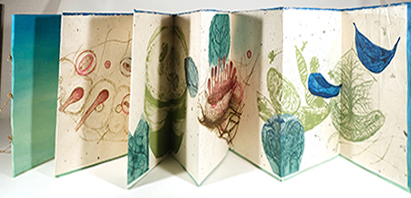
| Haruyo Nakanishi:《Seed Journey》 *handmade drawing paper, Japanese paper (kozo), hemp string, lithograph, milk carton drypoint, acrylic paint/2005 |
Maryam Farazhbod :《Flag》 *Printed concertina-bound paper with interleaved printed acetate /2009 |
Haruyo Nakanishi+Maryam Farazhbod |
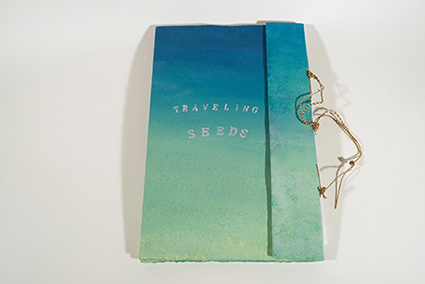
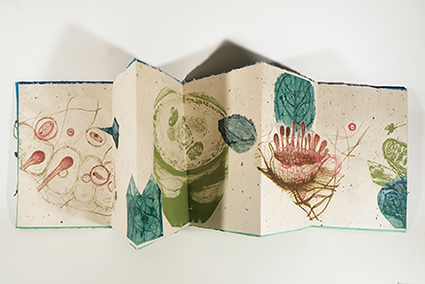
| Haruyo Nakanishi:《Seed Journey》 The artwork presents a wish to send a seed of hope to faraway lands, where people are suffering from conflicts and hardship.The primary motif for the work is the Aogiri tree. When ripe, the fruit splits open to reveal seeds attached to a boat-shaped shell. The artwork imagines these seeds travelling to distant lands, journeying like tiny vessels across the sea. Note: A particular Aogiri tree survived the atomic bombing of Hiroshima and is now seen as a symbol of peace. The tree's resilience gave hope to survivors, and the seeds are distributed globally as a way to promote peace. |
||
| Maryam Farazhbod :《Flag》 This book is a collection of illustrations depicting some of the scenes relating to the events surrounding the 2009 presidential elections in Iran. The colours red and green have been used in this book as green was the colour of the opposition and red is the colour of blood -and with the addition of white these colours make up the Iranian flag. I chose this as the sentiments of hope in Haruyo Nakanishi's Traveling Seeds -Aogiri/Firmiana Simplex resonate through both books. |
||
 |
 |
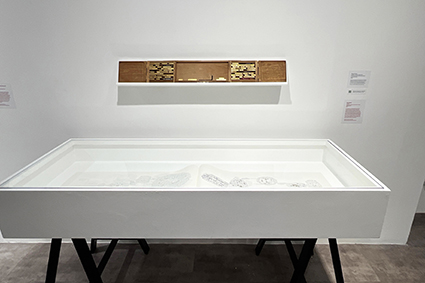 |
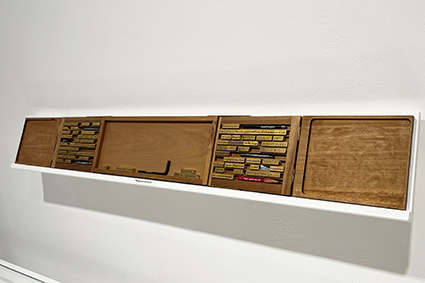
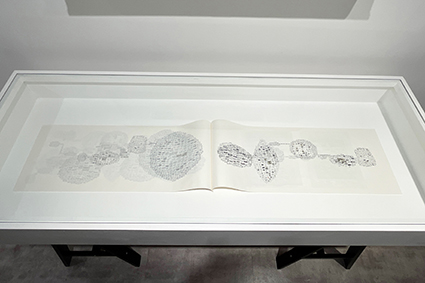
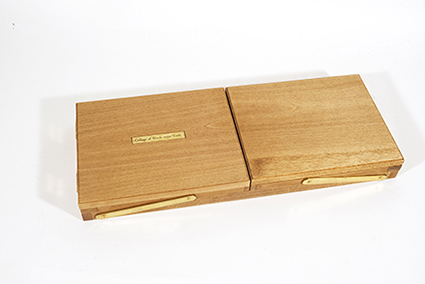
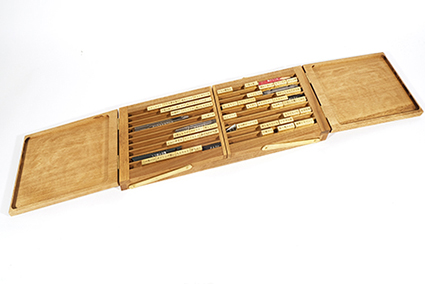
| Takeshi Hirose《Collage of Words :type/Tools》 * magnolia board, brass square bar, brass wood screws, brass hinges, pencils, hex wrenches, driver bits, jigsaw blades, punches, wedges, broken bolt/2025 |
Sam Winston :《Orphan》 *Japanese paper with printed collage /Edition of 24 /2011 |
Takeshi Hirose+Sam Winston |
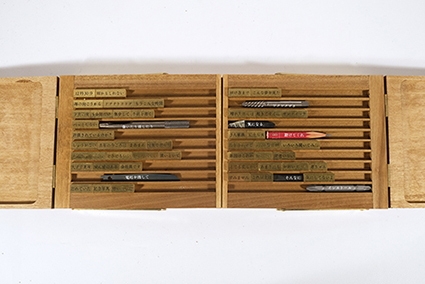
| Takeshi Hirose《Collage of Words :type/Tools》 The work explores mechanisms of 'reading.Different sentences and phrases can be created by rearranging the brass bars and other items engraved with different words nestled inside the wooden box. |
||
| Sam Winston :《Orphan》 In reaching the final draft of his story, Winston realised he had collected a series of previous versions. He cut out words from these earlier drafts to create text clouds that are printed on translucent paper. The final book contains both the story and its history presented on the same page.As Hirose's Collage of Words: Type/Tools can be rearranged to form new sentences, this felt like a fitting companion. |
||
 |
 |
 |
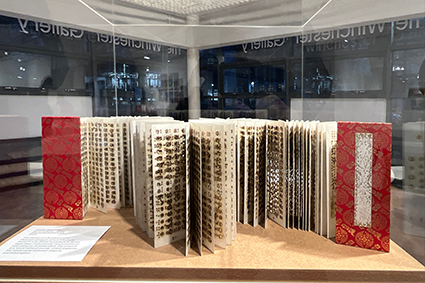
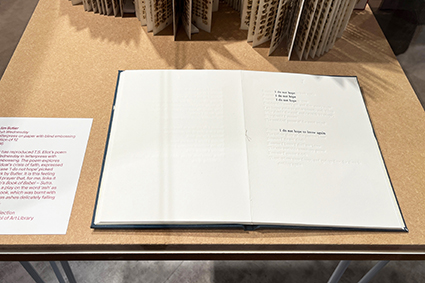
| Hiroko Fukumoto:《Book of BabelーSutra》 *paper (pre-made sutras), cloth/2025 |
Jim Butler :(Ash Wednesday *Letterpress on paper with blind embossing /Edition of 12 /2006 |
Hiroko Fukumoto+Jim Butler |
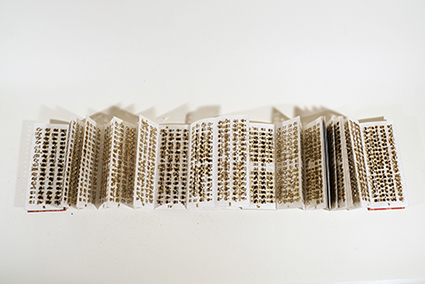
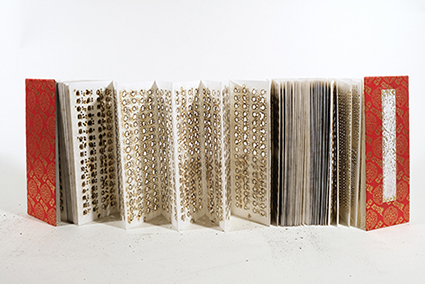
| Hiroko Fukumoto:《Book of BabelーSutra》 The words of a Buddhist sutra (hannya shingyo), which Fukumoto found in a Buddhist bookstore in Kyoto, have been meticulously removed (burnt out) using an incense stick. The artwork is a 'book without words', which explores the relationship between objects and information. |
||
| Jim Butler :《Ash Wednesday》 Butler has reproduced T.S. Eliot's poem Ash Wednesday in letterpress with blind embossing. The poem explores an individual's crisis of faith, expressed in the phrase 'I do not hope' picked out in black by Butler. It is this feeling of faith and prayer that, for me, links it to Fukumoto's Book of Babel - Sutra. There is also a play on the word 'ash' as Fukumoto's book, which was burnt with incense, still has ashes delicately falling from the pages. |
||
 |
 |
 |
| Kyoko Matsunaga:《The Skin Square, the Pupil Square: Dreams of Scientists (Deluxe Edition)》 *Japanese paper, beeswax, old book pages, trifoliate orange branches, brass wire,/inkjet print, cyanotype, letterpress printing/2017 |
Anna Vicente ・《Journal of a Dream Vol. 1 and 2 》 *Hand-drawn sketchbook with embroidery /2006 |
Kyoko Matsunaga+Anna Vicente |
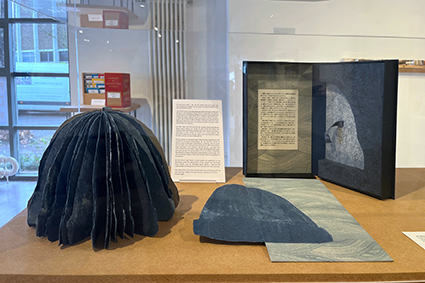
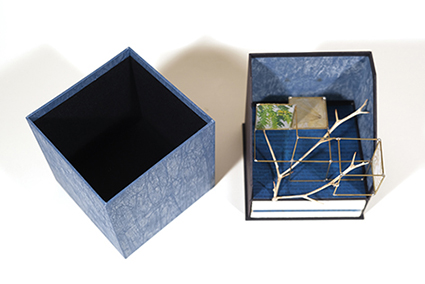
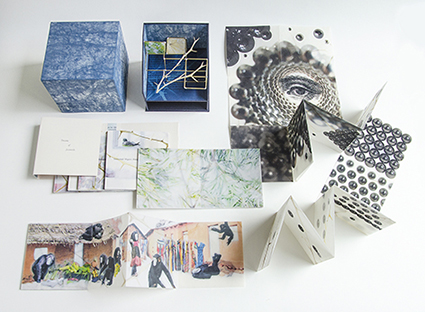
| Kyoko Matsunaga:《The Skin Square, the Pupil Square: Dreams of Scientists (Deluxe Edition)》 reams of seven scientists are encased within each book. Dreams here are seen as private spaces, which are unique in the current world where private and public information freely crosses boundaries.Each of these seven independent worlds can be read as a conventional book and also unfolded to reveal a single large world hidden within. |
||
| Anna Vicente ・《Journal of a Dream Vol. 1 and 2》 These two volumes document a dream that Vicente captured immediately in her drawings as she awoke. In contrast to this instant recording, she carefully embroidered the book covers which keep the dreams safe inside. Matsunaga's book also keeps the dreams of scientists safe in boxes in her work The Skin Square, the Pupil Square: Dreams of Scientists, which made it an ideal pair for me. |
||
 |
 |
 |
| Kyoko Matsunaga:《Intersection; Gion, Kyoto》 *Japanese paper, beeswax, printing paper, flat rubber/ inkjet print, letterpress printing/2016 |
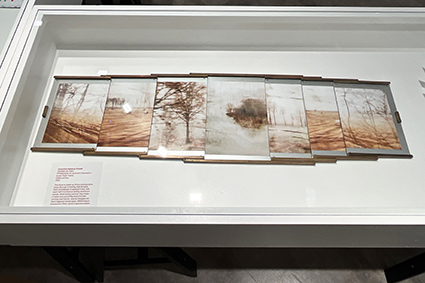
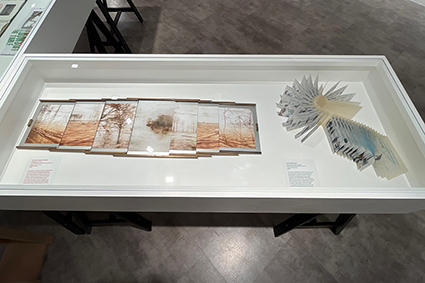
Amandine Nabarra-Pionelli :《Voyages (en Train) 》 *Photographs on aluminum mounted in brass 'track' frame /Edition of four/2013 |
Kyoko Matsunaga+Amandine Nabarra-Pionelli |
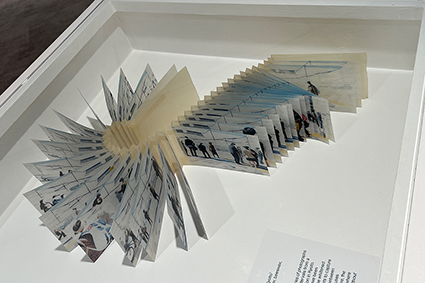
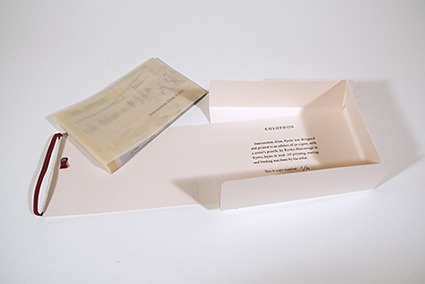
| Kyoko Matsunaga:《Intersection; Gion, Kyoto》 The work consists of a series of photographs taken at seven-second intervals from a fixed point at a busy junction in Kyoto.Areas of the photograph have been painted over by the artist. The whitened space is not empty; it attempts to capture the sensation that oscillates between memory and reality. The work uses an original bookbinding structure,the waterwheel binding technique, where strips of paper are interwoven |
||
| Amandine Nabarra-Pionelli :《Voyages (en Train) 》 This book is made up of four photographs, taken through a moving train window. Each photograph is divided in half, with each half mounted on sliding aluminium panels. While being opened, they make a metal click sound like that of a train running over tracks. Just as Voyages ( en Train) captures landscapes, Matsunaga's Intersection (Gion, Kyoto) captures people. |
||
 |
 |
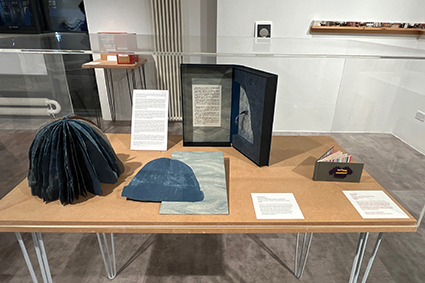 |
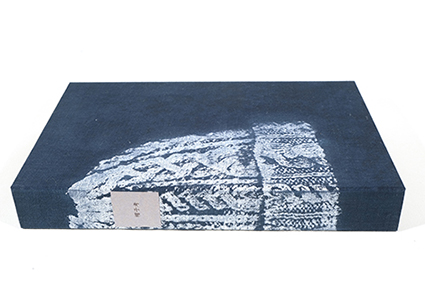
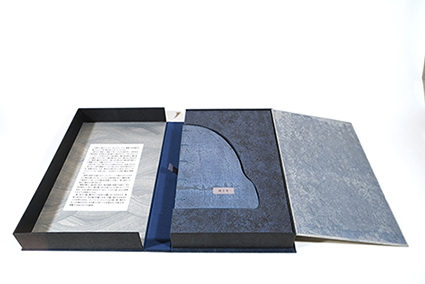
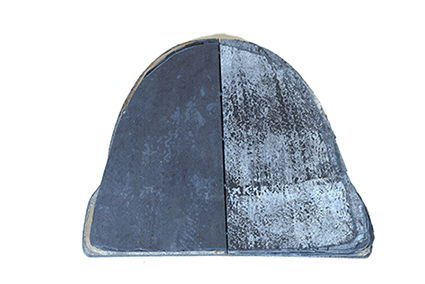
| Ai Mikami《Hat thoughts》 *Japanese pape, cedar bark paper, new Bafun paper, cotton, cotton thread, synthetic indigo, Indian indigo, chalk powder, magnet (embedded in thev)/2025 |
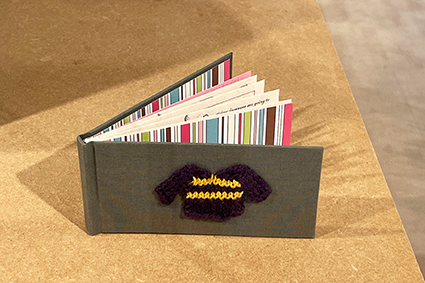
Zoe Ross :;《Unique》 *Printed book with knitted wool Edition of four /2006 |
Ai Mikami+Zoe Ross |
| Ai Mikami《Hat thoughts》 Mikami, who lives in the Gunma prefecture, goes on a daily walk wearing her favourite knitted hat. By creating an imprint of the hat using indigo dye, and making it into an artwork, the artist tries to capture the relationship between the body and clothing, and the landscapes we find ourselves within. |
||
| Zoe Ross :;《Unique》 Ross' book documents the wearing of a favourite jumper and includes a tiny, knitted jumper on the cover. This resonated for me with Mikami's Hat Thoughts through the immediate link to knitted objects but also to the wearing of these handmade textile items whilst walking. |
||
 |
 |
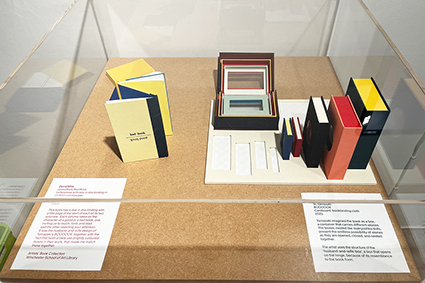 |
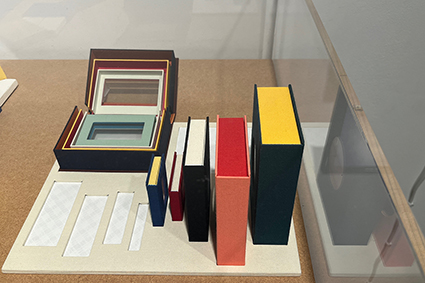
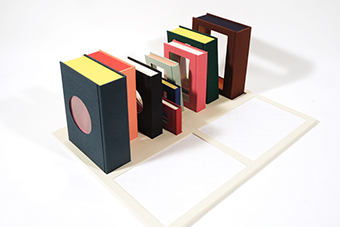
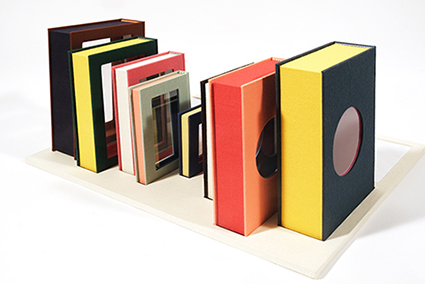
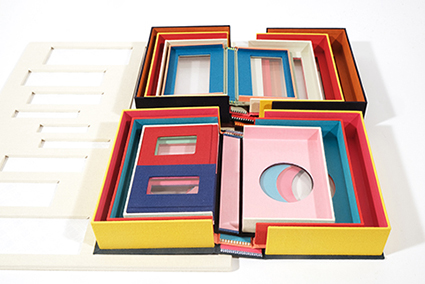
| Yo Yamazaki :《BOOOX----Matryoshka dolls in book-shaped boxes》 *bookbinding cloth, cardboard, paper, polycarbonate board, flower scraps/2025 |
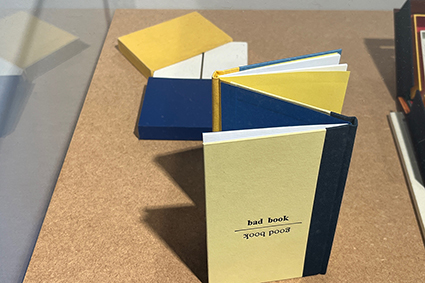
David Mills :《Good Book Bad Book》 *Letterpress with dos-a-dos binding in clothbound slipcase /Edition of 70 /2004 |
Yo Yamazaki +David Mills |
| Yo Yamazaki :《BOOOX----Matryoshka dolls in book-shaped boxes》 Yamazaki imagined the book as a box, a container that carries different stories. The boxes, nested like matryoshka dolls, present the endless possibility of stories as they are opened, closed, and nested together. The artist uses the structure of the 'husband-and-wife-box', a box that opens on the nge, because of its resemblance to the book form. |
||
| David Mills :《Good Book Bad Book》 This book has a dos-a-dos binding with a title page at the start of each of its two volumes. Each volume takes on the character of a good or a bad book, one inviting us to touch, hold, and read, and the other rejecting your attention. It was the husband-and-wife design of Yamazaki's BOOOOOX, together with the fact that both artists use brightly coloured boxes in their work, that made me match these together. |
||
 |
 |
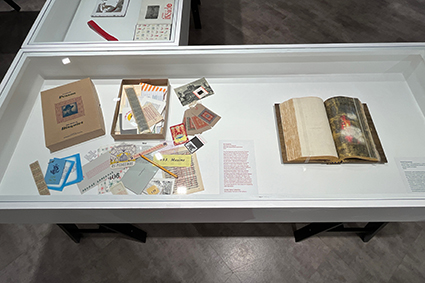 |
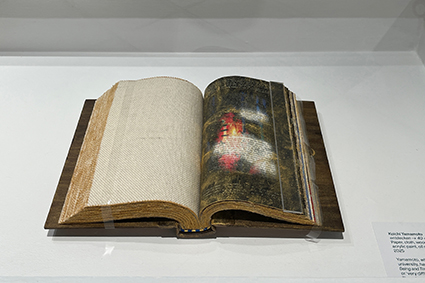
| Koichi Yamamoto《entdecken→40枚のdeck→φαίνω
》 * paper, cloth (jute, etc.), wood (shina veneer), toner (copy machine toner), adhesive (glue of Arabic, wood glue),/acrylic gouache, oil stain/2025 |
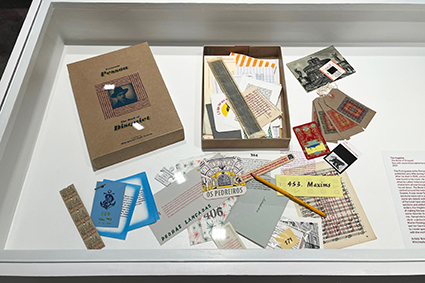
Tim Hopkins :《The Book of Disquiet 》 * Box with assembled ephemera /2017 |
Koichi Yamamotov+Tim Hopkins |
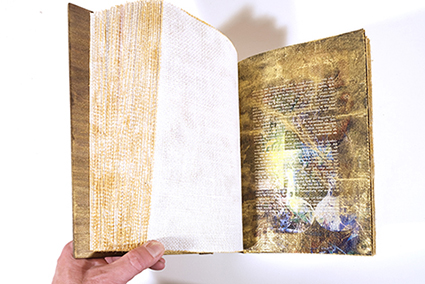
| Koichi Yamamoto《entdecken→40枚のdeck→φαίνω
》 Yamamoto, who studied philosophy at university, has reinterpreted Heidegger's Being and Time, widely seen as 'unreadable' or 'very difficult to read', as an artwork. The artwork, however, has layers of extraneous materials that make the work equally 'unreadable. The work questions whether unreadability' presents endless possibilities or simply a void. Is it futile even to try transforming something that is unreadable and indecipherable |
||
| Tim Hopkins :《The Book of Disquiet》 The Portuguese writer Fernando Pessoa published very little during his lifetime. After he died in 1935, a trunk of writings was found in his room. He wrote using what he called 'heteronyms', invented characters whose thoughts and lives he set down. The Book of Disquiet is centred around the heteronym Bernardo Soares. It was never finished, and its sections were not in any order (though some are dated); editors of other editions of the book have selected different sections and edited them into various orders. For Hopkins, part of the point of making this box of disquiet was to restore some disorder to the text. Similarly, for me, Yamamoto's entdecken ➔40-card deck ➔ cpaivw is an attempt to reinterpret Martin Heidegger's Being and Time, a key text for German existentialist philosophy, to create space for new ways of engaging with the work. |
||
 |
 |
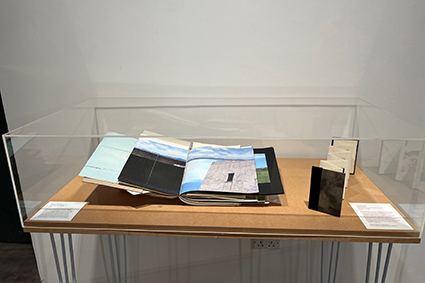 |
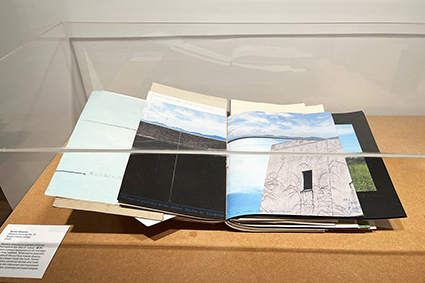
| Tamiko Washizu:《Washizu drawing No.13》 *hatron paper,Watson paper, Kent paper, corrugatedcardboard, Korean paper, Cottonman paper, thick cardboard, Yupo paper, graph paper, Fabriano paper, BFK, transparency film, tracing paper,Hungarian drawing paper, China plywood boards, modeling art casts, paper straw, thread, plaster, photographs, acrylic sheets, glass, masking tape, pulp rock,lead, nails, mirrored aluminum sheets/Acrylic paint,colored pencil, synthetic resin paint, pencil,red pen, ink, Stapyrcharcoal, typewriter, ink, Conte, pastel/2025 |
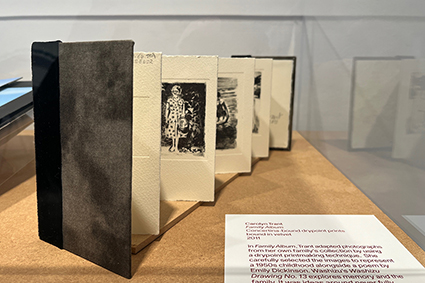
Carolyn Trant :《Family Album》 *Concertina-bound drypoint prints bound in velvet /2011 |
Tamiko Washiz+Carolyn Trant |
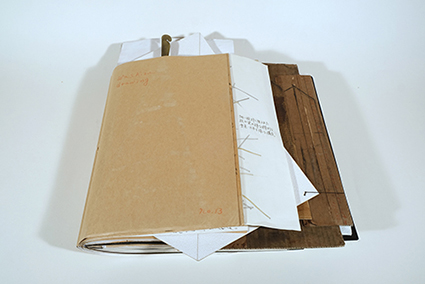
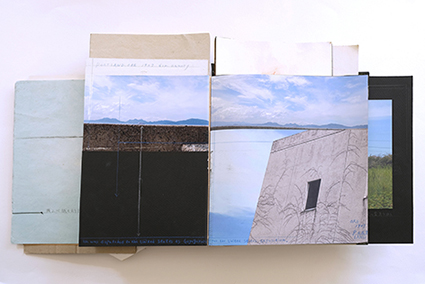
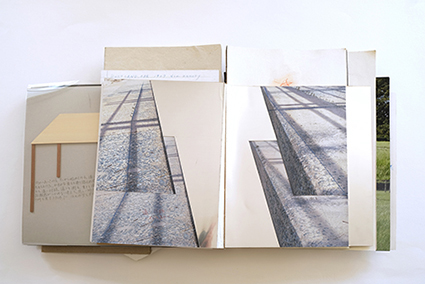
| Tamiko Washizu::《Washizu drawing No.13》 Washizu Drawing is a series of books that explore the idea of 'uraue' (#1), where outward appearances do not align with inner realities. What seems peaceful and calm on the surface maybe illusory, while the unseen holds the truth. Family roots, history, personal stories and inner landscapes are interwoven and expressed through essays, drawings and assemblages. |
||
| Carolyn Trant :《Family Album》 In Family Album, Trant adapted photographs from her own family's collection by using a drypoint printmaking technique. She carefully selected the images to represent a 1950s childhood alongside a poem by Emily Dickinson. Washizu's Washizu Drawing No. 13 explores memory and the family. It was ideas around never fully knowing what lies behind a family photograph or object that drew me to place these books together. |
||
Below, you will find images of the works submitted by each artist, along with comments from each artist.
Hiroko Akasaka |
|||
 |
 |
 |
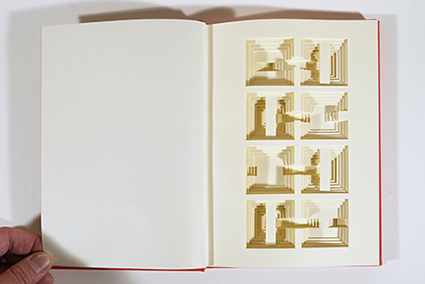 |
| Book Object Red & White No.3/ Book Object Red & White No.5/2025/paper (ready-made book)/cutting/21.3×15.3×1.6cm | |||
| I am fascinated by the spaces that are created by layering and cutting thin paper. It all started when I created a piece in which a staircase appeared inside a rectangular tower made of over 2,000 sheets of tracing paper (https://youtu.be/k5iiuN3GLb0). My book objets d'art pieces make that space portable. When you open a book, you can see the layers of the white earth and the stairs to the underground. Viewers will experience the perspective of a giant, or perhaps an ant. In addition to producing copperplate engravings and acrylic illustrations, he has also produced and exhibited intricately crafted book art using tracing paper, as well as life-size chairs made from this same paper material to create spatial compositions. | |||
| In addition to creating copperplate prints and acrylic illustrations, Akasaka Hiroko has also produced and exhibited intricately crafted book art using tracing paper, as well as life-size chairs created from this same paper material to create spatial compositions. | |||
Hisako Inui |
|||
 |
 |
 |
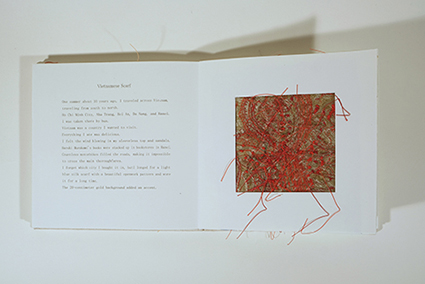 |
| Narrative and Time/2025/kent paper, cardboard, old cloth, embroidery thread, silk thread, cover fabric, bond ink, embroidery/18.8×18.8×2.0cm | |||
| I embroidered drawings onto clothing and fabrics that I couldn't throw away. Drawing has been a long-standing method of expression for me. I create drawings in a variety of sizes and materials. Each piece of fabric used in this work carries its own memories and stories. I drew on the fabric with needle and thread. As the time of the embroidery slowly flows, past memories and my present self intersect. New stories and time are woven together and unfold with each page. |
|||
| Born in Shizuoka Prefecture in 1958. Using line, time, language, and communication as creative keywords, she expresses spontaneous lines, shapes, relationships, and processes in her works. | |||
Miyuki Kido |
|||
|
 |
 |
 |
| Friction and hugs/2016/two French-Japanese dictionaries, synthetic leather/13.0×14.0×18.0cm | |||
| A friend from college suddenly passed away, leaving many belongings behind in my house. We were both taking the same foreign language class, so there were two identical dictionaries left on the bookshelf. I spent a long time piling up the pages one by one. The other two dictionaries would not come apart, no matter how hard I tried. | |||
| Born in 1972. Starting out with the production of flat works and objects based on illustrations with distinctive curves, she has since presented installation works in which spaces are constructed using everyday materials such as paper, stockings, and electrical cords. | |||
Masaco Kuroda |
|||
 |
 |
 |
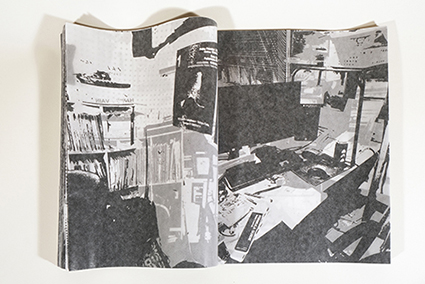 |
| One Hundred Views of Mano Screen Printing /2025/glassine, thread/silkscreen print/21.3×15.3×1.6cm | |||
When I make artwork or plan an exhibition, I think about what viewers and I can experience, and I decide flexibly what and how I create. Sometimes I make pieces lightheartedly about what I am interested in or what I feel like doing at the moment of planning. My work range from order-style exhibition and just-sit-down-and-chat meetings without any artwork to labor-intensive hand-crafted pieces.
My book for this exhibition is hand screen printed on glassine (thin, translucent paper) and Japanese stab pouch bound. The image is high-contrasted black-and-white photographs of my printing studio, and each page is folded with the printed side inside the folds. Recently I have been busy with work (I have a tiny screen printing business), and I stay in my studio almost all the time and can’t think much outside of it, so I decided to print the scenery of the shop. |
|||
| Born in 1980. With the main focus on Silkscreen Studio as her backdrop, Kuroda has been developing creative activities based on the relationship between her daily life and art, including exhibiting works in printed media such as cards and matchboxes, and holding solo exhibitions featuring all of her books. | |||
Hidekazu Konishi |
|||
 |
 |
 |
 |
| 100 Landscapes of Mirrors/2025/paper, acrylic mirror/on-demand printing/21.2×15.2×2.5cm | |||
| Japan has the highest number of convex mirrors in the world. These road reflectors are ubiquitous in everyday life, from deep in the mountains to the seaside. I have compiled "One Hundred Views of Convex Mirrors" out of my love for the countless convex mirrors, as an homage to Hokusai's "Thirty-six Views of Mount Fuji," which features the one and only Mount Fuji as its theme. Through this book, readers will be captivated by the multiple worlds of convex mirrors and their perspective on the world will be transformed. My future goal is to expand this universal record of landscapes into a thousand, even ten thousand views. | |||
| Born in 1979. He continues to collect everyday life (by taking photographs, collecting, etc.) and express it as specimens (installations, books, goods, etc.). | |||
Masako Kobayashi |
|||
|
|
 |
 |
| Wuthering Heights/2025/paper (ready-made paperbacks)/cutting/20.5×13.0×11.0cm | |||
| I use my favorite books to give their worldview a three-dimensional shape. This time, I chose stories that challenge your common sense when you read them, and created them into a work of art. When I cut and folded the book to make it into a work of art, I could no longer turn the pages. If it had just sat on the bookshelf, I would have enjoyed reading it, but turning it into a work of art might be a nuisance. Nevertheless, I wanted to question the importance of "books" to me. | |||
| Born in 1971. She has exhibited works in which she creates life-size sculptures on oiled paper out of her own personal memories, such as rooms, dolls, and clothing. She also creates works based on her favorite books from her childhood, meticulously transforming existing books into objects that depict scenes from stories. Masaru Sato: In addition to creating book art, he also works as a graphic designer, edits art magazines, and manages an art gallery. His work primarily focuses on literary works, such as poetry collections and novels, and involves creating objects that create new stories by manipulating them. He has also presented installations in which he constructs spaces based on disassembled books. | |||
Sei Sato |
|||
 |
 |
||
| A wind of light blowing through the silence/2023/varuable(instsllation) | |||
| I create works that explicitly and unconsciously intertwine the fundamental contrast between life and death, contemplating the infinite life of the universe, and seeking the vague dreams and fantasies that exist between the everyday and the fantasy worlds that emerge unexpectedly. About the exhibited works: The act of dismantling paperbacks and folding their pages to create semi-three-dimensional works dragged my memories into the present, and as if pulling a thread from the lying flesh of words, I descended to the bottom of their veins and contemplated what accompanies them, an act that made me reconsider what words and life are. Taking inspiration from the smell and feel of the paper, the arrangement of letters, the binding, and the shape of the book, I dismantled 120 paperbacks I had read...they are also traces of a world of fantasy and dreams where the past is in the present, and the future is in the present, intertwined and multiplying in people's lives. I use my favorite books to create three-dimensional worldviews. For this work, I chose stories that challenge one's common sense when read. Once I cut and fold the book into a work of art, I can no longer turn the pages. If it had just been left on the bookshelf, I would have enjoyed reading it, but turning it into a work of art might be a nuisance. Nevertheless, I want to question the importance of "books" to me.While producing book art works, She also works as a graphic designer, edits art magazines, and manages art galleries. Her works consist of objets d'art pieces that create new stories by processing existing literary works such as poetry collections and novels, as well as installation works that create spaces based on dismantled existing books. |
|||
| While creating book art pieces, I also work as a graphic designer, an editor for art magazines, and manage an art gallery. My artwork primarily consists of object-based pieces that transform existing books, such as poetry collections and novels, to create new narratives. I also present installation works where spaces are constructed using dismantled existing books. | |||
SYUTA (Syuta Mitomo) |
|||
 |
 |
 |
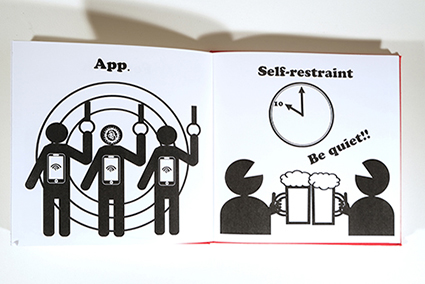 |
| COVID-19 Landscape of Pandemic/2020:2025/paper/laser print/17.5×17.5×2.5cm | |||
| While working in pharmaceutical development, he is also an artist and art director, working on the theme of how art interacts with society. The foundations of his work and activities lie in the intersection of diversity and the ordinary and the extraordinary, influenced by the biochemistry and life science he studied as a student and his experience as a pharmacist. He conducts workshops with children, the elderly, and people with disabilities, with the theme of how art can connect people and contribute to society. In Japan, he is involved in regional revitalization programs, advocating for the appeal of local areas and their interactions with people through art. | |||
| Born in 1967. With a focus on the relationship between art and society, Shiho Horino not only produces her own artwork, but also holds workshops and various art projects. | |||
Shiho Dono |
|||
 |
 |
 |
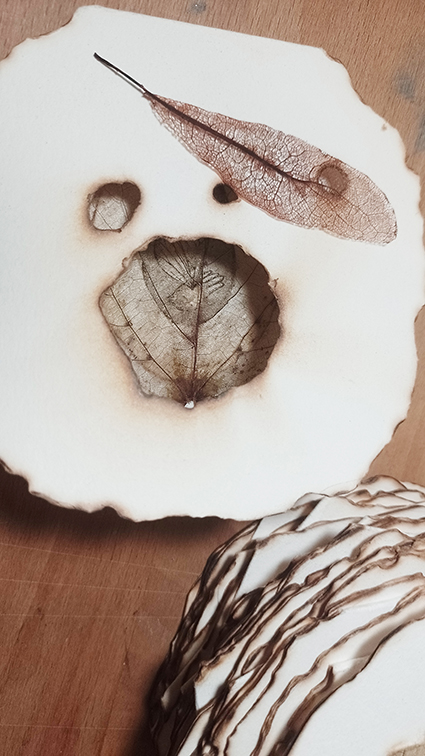 |
| Raindrops of Leaf Rain (Fallen Leaves): 2025 / Paper, Japanese paper, cardboard, leaves, copperplate print, acorns, acrylic paint, acrylic medium, glue, accordion binding, etching, aquatint, gampi prin | |||
| She creates works with motifs of natural objects and parts of the human body. He mainly uses techniques such as non-toxic copperplate engraving and paper printmaking. He also creates handmade books with covers made from tree bark and leaves. In addition, as she loves folk tales, he retells and illustrates folk tales from Slovakia, where he lives, and neighboring countries when it comes to picture books. About the exhibited work: By layering irregularly shaped quires and holes, and leaves with the veins still intact that are sandwiched between the quires, he creates shapes that resemble holes in a stump, hollows in a tree, or holes made by insects or birds, and then binds them as an accordion book. |
|||
| Born in 1977. With a particular obsession with the human ear and hand, she primarily exhibits lithographs and copperplate prints featuring delicate lines and pale, monochrome colors. | |||
Luna Nakagawa |
|||
 |
 |
 |
 |
| The day when deep fish comes/2023/paper, yellow ball, silver thread, foil, flocking, bookmark string/silkscreen print, cutting/19.3×15.0×3.0cm(left work) Looking at the same moon/2025/handmade drawing paper, Japanese paper (kozo), hemp string, lithograph, milk carton drypoint, acrylic paint(lrighgt work) |
|||
| Having majored in dyeing and weaving and produced fabric,she became interested in clothing and the human body (a collection of tiny cells) that wears it, and became fascinated by things made up of countless tiny objects, starting to create spatial exhibitions filled with things like human figures, small Buddha statues, and gachapon capsules. She also continues to create books with the feeling that each page is an accumulation of one mass. About the exhibited work: The moon seen from a small corner of the bright city sky, the moon seen from our home tonight, the moon seen from a city of rubble. The moon is the same, but the thoughts of each person who looks at it are different, and at times it is terribly unequal. This moon is filled with such thoughts. |
|||
| Using acrylic and plaster, she creates well-known characters like "KyuPi" and "Licca-chan," as well as small Buddhist statues. She began by presenting installation works in which countless of these were lined up to create exhibition spaces. In recent years, she has produced three-dimensional works and book art that reiterate and develop various images. | |||
Haruyo Nakanishi |
|||
 |
 |
 |
 |
| Seed Journey/2025/handmade drawing paper, Japanese paper (kozo), hemp string, lithograph, milk carton drypoint, acrylic paint/31.7×21.0×1.5cm | |||
| I create my works with the theme of life, inspired by the great flow of nature. Things that circulate continuously in nature - the cycle of water, the changing of seasons, and the repeated death and rebirth of plants and living creatures. I was born and raised in Hokkaido, the northernmost part of Japan. After a long, harsh winter, spring arrives, when various flowers and plants sprout and bloom all at once. I feel the joy of life filled with blooming flowers and realize that life is a cycle of death and rebirth in the natural flow. I believe that the sensibility born from the northern climate influences my artwork. The various expressions of nature in my memories pass through the filter of my mind and are reconstructed as new images. | |||
| Born in Hokkaido in 1963. Using monotype printmaking techniques, he creates flat works that symbolize certain auras, such as visually expressing the movement of water or air. | |||
Takeshi Hirose |
|||
 |
 |
 |
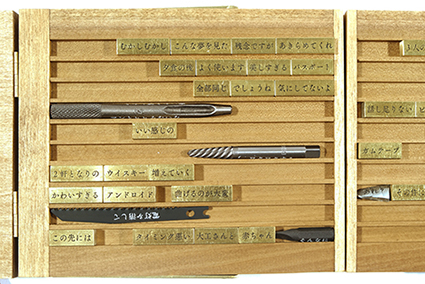 |
| Collage of Words type/Tools/2005/magnolia board, brass square bar, brass wood screws, brass hinges, pencils, hex wrenches, driver bits, jigsaw blades, punches, wedges, broken bolt/13.0×33.0×32.0cm | |||
| He creates books whose contents change with each reading. Brass bars engraved with words are placed inside a wooden box, and viewers can freely swap them out. Each time, the fragments of words appear as new sentences, and the traces left by previous viewers are passed on to the next reader. Additionally, by adding stationery and tools with hidden writing, he encourages viewers to sense the cognitive gap that arises between the meaning of words and the function of objects, exploring the nature of the act of "reading" itself. | |||
| Born in 1969. After studying graphic design and picture book production, he began working as an illustrator and designer. She has also worked on many book covers, including picture books. Currently, she creates book art pieces that evolve as the audience interacts with them. She also teaches book art and picture book authors as a professor at Oita University. | |||
Hiroko Fukumoto |
|||
|
 |
 |
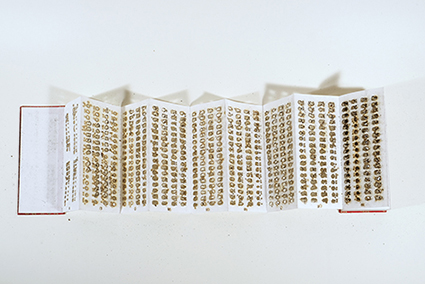 |
| Book of BabelーSutra/2025/paper (pre-made sutras), cloth/17.5cm×7.0cm×3.0cm | |||
| If there is a book without words, what kind of existence would it have? Can it really be called a book? To find out, I used an incense stick to burn all the words off the book. In conclusion, the book remained a book. It had lost the words, but instead existed as a "book" with a new meaning. This time, I created a "book without words" using a sutra that is familiar in Japan, at least in Kyoto. It was a copy of a sutra that I found in a bookstore that sells Buddhist books. While I was burning the words, I was thinking about Borges's "The Book of Sand." |
|||
| Born in 1971. The exhibition focuses on the relationship between "information" and "things." In addition to installations constructed from numerous printed materials such as magazines and newspapers, which have been dissolved in water and then reshaped into blocks and other forms, as well as book objects made from books, the exhibition also includes a book in which mushroom spores are planted on existing books, from which actual mushrooms are grown. She creates works that reflect this. | |||
Kyoko Matsunaga |
|||
 |
 |
 |
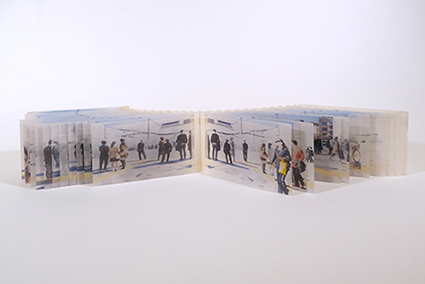 |
| The Skin Square, the Pupil Square: Dreams of Scientists (Deluxe Edition)/2017/Japanese paper, beeswax, old book pages, trifoliate orange branches, brass wire,/inkjet print, cyanotype, letterpress printing/11.5×11.5×11.5cm(left work) Intersection; Gion, Kyoto/2016/Japanese paper, beeswax, old book pages, trifoliate orange branches, brass wire,/inkjet print, cyanotype, letterpress printing/10.0×15.6×2.0cm(lrighgt work) |
|||
| Her theme is to capture the humble everyday lives of anonymous people and preserve the fleeting yet tangible world that existed before his eyes as a memory she recognizes. By painting photographs white, he manually removes the homogeneous information captured by the camera. Tracing the sense of uncertainty between memory and reality, he creates works that reconstruct people's traces and fragments of their daily lives into the form of a book. About the exhibited works: The box contains the dream memories of seven scientists. Even in today's world where all information is shared, dreams remain as independent spaces that belong to individuals. The structure allows you to follow the pages in order, or view the entire picture as a single large picture, allowing you to sense the length or breadth of time within a dream. The seven independent worlds unfold into a single, even larger world on the back. If there were a book without words, what would it be? Can it really be called a book? To find out, I burned every word on the book with an incense stick. In conclusion, the book remained a book. Although the letters had been lost, it existed as a "book" with a new meaning. This time, I created a "book without letters" using a sutra that is familiar in Japan, at least in Kyoto. It was a copy of a sutra that I found in a bookstore selling Buddhist books. While I was burning the letters, I was thinking about Borges's "The Book of Sand." |
|||
| Born in Hyogo Prefecture in 1981. Her work explores the perceptions of moving between the world as information and the world as perceived by individuals. Drawing on meticulous bookbinding techniques, she creates book art and flat-screen works using silkscreen and wax-coating techniques. | |||
Ai Mikami |
|||
 |
 |
 |
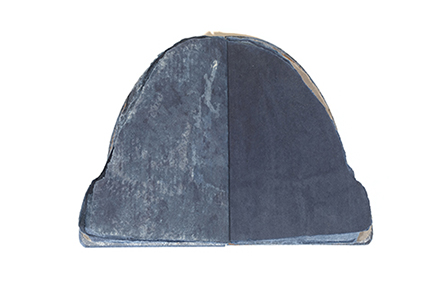 |
| Hat thoughts/2025/Japanese pape, cedar bark paper, new Bafun paper, cotton, cotton thread, synthetic indigo, Indian indigo, chalk powder, magnet (embedded in the cover)/Washi dyed with dye and pigment (chalk powder) (book), fabric dyed with Indian indigo and chalk powder (box)/34.0×4.0×4.8cm | |||
| Ever since my childhood, I have had an attachment to the clothing, fabrics, and textures I wear. The feeling of fabric touching my skin is vague and indefinable, yet like a story, it is always with me. The soft texture of washi paper resembles skin, and by dyeing it, I attempt to visualize images related to clothing, fabric, the body, and touch. About the exhibited work: In the winter, I put on my favorite knit cap and take a 20-minute walk round trip every day. The riverbank, the rice paddy footpath, the steps leading to the shrine, the sky, the big mountains. It's a short journey walking with the wind in my step. I have captured in this book the sensation of my body, hat, and landscape becoming one. |
|||
| After studying traditional Japanese dyeing techniques and expression, she transformed craft decoration and handcrafted methods to create works using dyed washi paper and fabric. Since 2012, she has studied bookbinding techniques and has been fusing textile art with book art. | |||
Yoh Yamazaki |
|||
 |
 |
 |
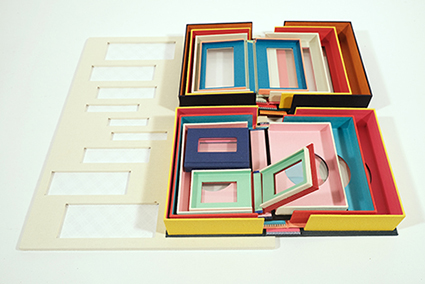 |
| BOOOX----Matryoshka dolls in book-shaped boxes/2025/cardboard, bookbinding cloth, paper, food wrap, cheeseclot/30.0×13.0×24.0cm | |||
| As a hand-made bookbinder, I design and work on books every day. I'm always thinking about this special object known as a book. It feels like I'm taking a walk around books every day. My bookbinding art is about creating something using things I pick up and ideas I come up with along the way. About the works in the exhibition: Books are nested. If you imagine a book containing a story or something, it looks like a box. The "Couple Box," which opens like a hinge, is the box that most resembles a book. I added a cover, grooves, and loose flowers to it to create a book-shaped gimmick. The matryoshka-like nesting boxes can be played with by taking them out, arranging them, or putting them away. Steps, the sky, a big mountain. A short journey walking while feeling the wind. I captured the feeling of my body, hat, and scenery becoming one within the book. |
|||
| Born in 1962. After mastering traditional Western bookbinding techniques, he continued to create works that expand the possibilities of handmade bookbinding, pursuing new methods and materials without being bound by conventional methods. In addition, while presiding over the "Handmade Book Workshop," he has trained many book artists who create their own handmade books. | |||
Koichi Yamamoto |
|||
 |
 |
 |
 |
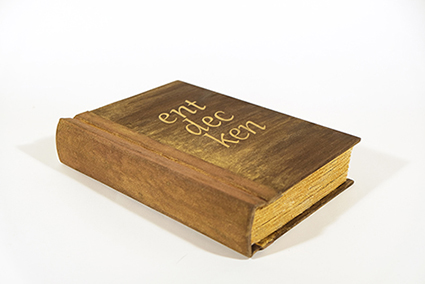
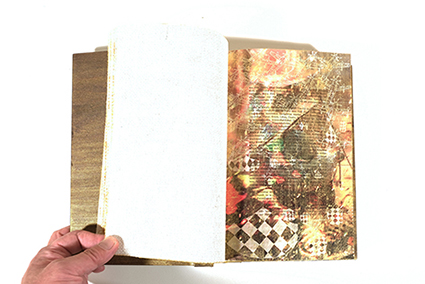
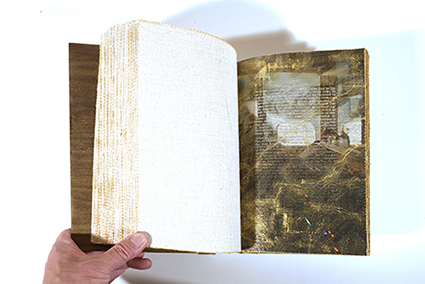
| entdecken→40-card deck→φαίνω/2025/paper, cloth (jute, etc.), wood (shina veneer), toner (copy machine toner), adhesive (glue of Arabic, wood glue),/acrylic gouache, oil stain/26.0×18.5×5.0cm | |||
| This work is an introductory section of Heidegger's Being and Time rendered "unreadable" or "difficult to read." It's covered with all sorts of "extraneous" things, making it "unreadable." Philosophical books are inherently "unreadable," so even if you don't do anything like that, they'll still be "unreadable." Whether the feeling of "I don't understand what this is all about!" is a pleasure or a discomfort varies from person to person, but I wanted to create something "kind of like that." "Book art" or "art book"...where books and art intersect, there may seem to be "infinite possibilities," but perhaps there really is nothing there. Or rather, because both are "invisible" and "unreadable," it's "incomprehensible" no matter what you do with them. | |||
| Born in Kyoto in 1949. Starting out by questioning the systems by which humans perceive things, such as vision, he creates works using a variety of techniques, including flat surfaces, text-based paintings, and installations. | |||
Tamiko Washizu |
|||
 |
 |
 |
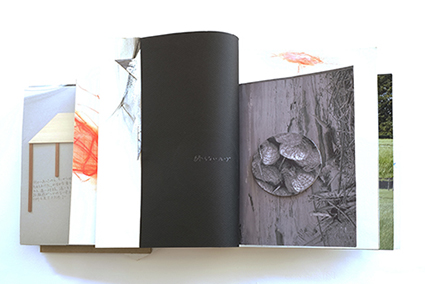 |
| The sounds of things that make no sound. A presence that is there, yet is missing. A space where people have certainly lived. A sense of time. A landscape permeated with memory. An homage to things that will one day disappear once their purpose is over. There is a hint or sense of a story somewhere, but none of it quite achieves that. About the exhibited work: "Uraue House" Uraue means that the outward appearance and the inner reality do not match. Just as what appears peaceful and tranquil is false, and what is invisible is reality. Tracing back my roots and family history, and starting from my own background, I have woven together various inner landscapes through my grandmother, stepmother, and myself, and expressed them in the form of an essay, drawing, and assemblage. |
|||
| Born in 1945. In addition to creating book art using techniques such as assemblage, collage, and drawing, using a variety of materials such as boards, cardboard, and thread photographs in notebooks he has made himself from bound craft paper, he has also presented three-dimensional works that blend his own memories into the sculptures and exhibition spaces. | |||